
We are all locked up in our homes because of the Corona virus crisis. Despite these difficult times, we choose to keep our “poetic” activism going by having an online poetry workshop last week (10th of April, 2020).
The goal of this workshop, like our previous ones, is to create a safe, free space to discuss and read poetry. With no previous knowledge or expertise, we invited the audience to join us for a two-hour workshop. It was given by Yara Abu Dahood as she presented Taha Mohammed Ali’s poem “Al Bashiq” (sparrowhawk in Arabic).
After a brief introduction, we tried to conjecture what’s the poem about reading its title “Al Bashiq”. And yet Taha succeeded in surprising us by opening the first lines of the poem by addressing sadness:
الباشق
-1-
اذا استطعت يا حزن
يوما
ان اتحرر منك…
فاني ساشعر
حتما,
بغبطة المنتحر…
وهو يتحرر من تبعاتة .!!
The SparrowHawk
-1-
If I could one day
to liberate myself from you
sadness
I will definitely feel
the ecstasy of a suicider
releasing his burdens.
The 11-stanza-long poem is an apostrophe to sadness that reveals the poet’s deep doubts, fears, and longings. The language is fairly simple and he uses lots of enjambment, to make the poem a long rumination pinned down on a paper; a let go of a heavy sigh of bittersweet relief.
It was interesting to see the reactions of the audience, each one offering an interpretation of their own about the source of sadness and its function in the poem or in the poet’s life. Especially since the latter suffered from a violent exile and catastrophe when he was expelled from his hometown of Saffuriya.
The space this workshop created is interesting for many reasons. First, it was done online via ZOOM application and thus lacked the immediate, humane contact. Second, the theme of the poem is unusual-sadness, which prompted people to bring more serious and personal topics. Third, we still felt the tension between different interpretations as some participants wanted to prove that their own reading was the “right” reading. Fourth, many of the people who took part of this workshop never read poetry before and so many were more interested by the content and context of the poem rather than its form. And last, I felt an actual sphere or space manifesting itself to house the different readings.
In my study of poetry and space (email me for the whole thesis I wrote about the relationship between these two fields), I focused on two aspects: how does the poem we read affect the physical space we are in, and how does the physical, social space we are in affect the space of the poem (the space that the poem creates). This workshop things were different, as we weren’t sitting in the same physical space, but each one of us was sitting in the comfort of their homes. And yet we created an online, virtual space to be shared by all of us.
Another space that this workshop creates is free-consumption space.
We are told that we should make the most of our time during this quarantine; we should make our time “productive” by investing it in cooking, watching a movie, working out, planting… all sorts of consumption. Reading a poem and contemplating its meaning demands nothing of that. It is a free space not to consume. Although some people might counter-argue and say that we also consume poetry, and it might be true, but this is not the purpose of the Poetry is Closer than the Sea platform.
Moreover, since we are all locked in our homes with a limited access to other places and spaces, contemplating becomes a necessity. And this is exactly what we aimed to have: a contemplating, pondering and imagining of the world, the poem, the poet and the feeling of sadness.
HERE ARE SOME REVIEWS OF THE PARTICIPANTS:
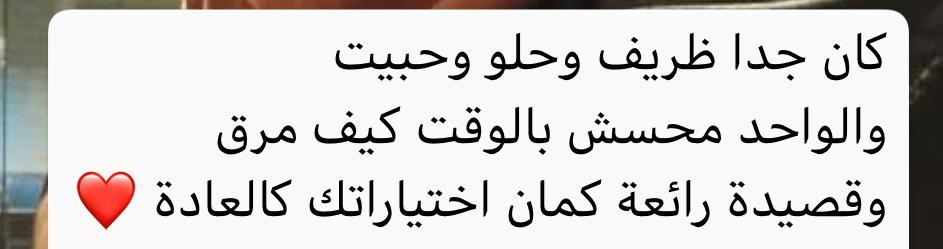
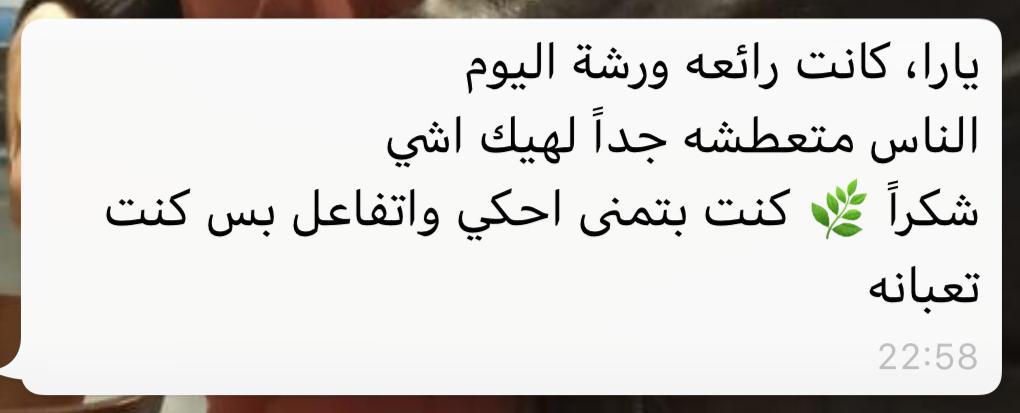
Thank you!
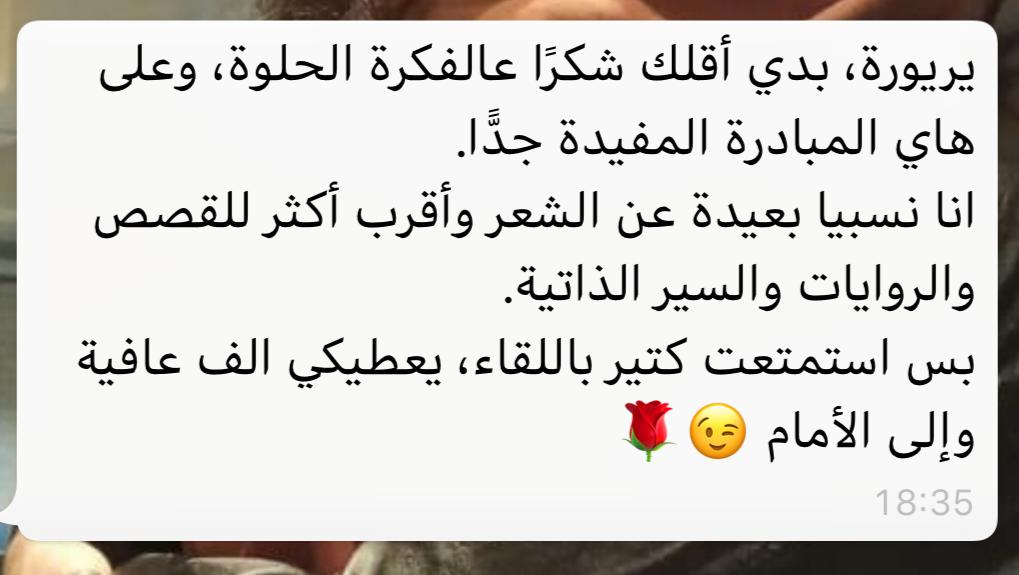
I am usually far from poetry and prefer novels and autobiography, but today was really beautiful! Keep it up!
Stay tuned for our next workshop to discuss a poem online next week!



 Poetry is Closer than the Sea
Leave a comment