The Watermelon Writing Workshop in Barcelona

Shortly after the terror commenced on the 7th of October, I reached out to a friend of mine in Barcelona about how helpless I feel. She felt helpless, too. Attending protests and screaming outloud hasn’t stopped the terrorist state in its genocidal undertaking to kill children and innocent Palest!nians. Out of helplessness and hopelessness, the idea of having a watermelon wirting workshop was born. The watermelon, if you’re not familiar with it, came to symbolize Palestinian Sumod(steadfastness) and existence/resistence. In other words, we (Kudwa Association and myself) decided to have a workshop to write down our heavy emotions and process the pain and agony of witnessing the genocide one Meditterranean away. As I was preparing the material for the workshop, I thought, surely by then (November 18th) there would be a permanent ceasfire. Oh how wrong was I, and still am, as I’m writing these words (the 20th of December) the unslaughter has been ongoing.
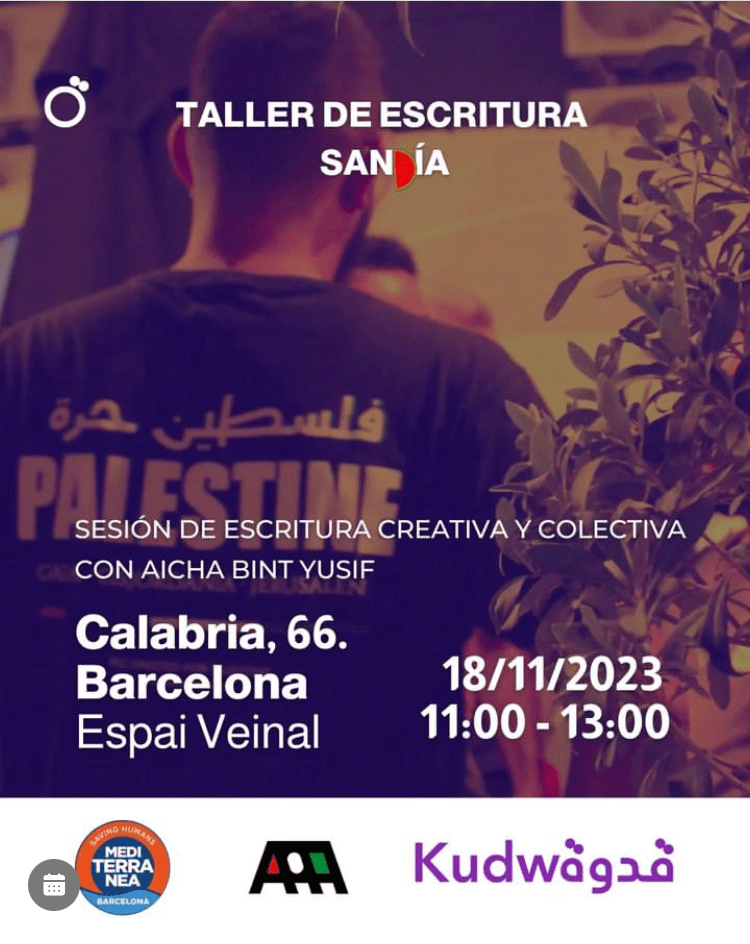
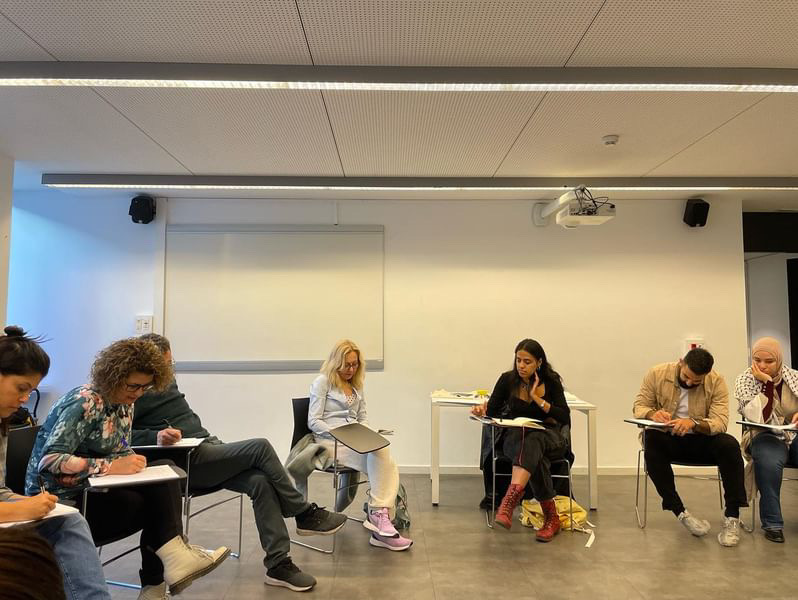
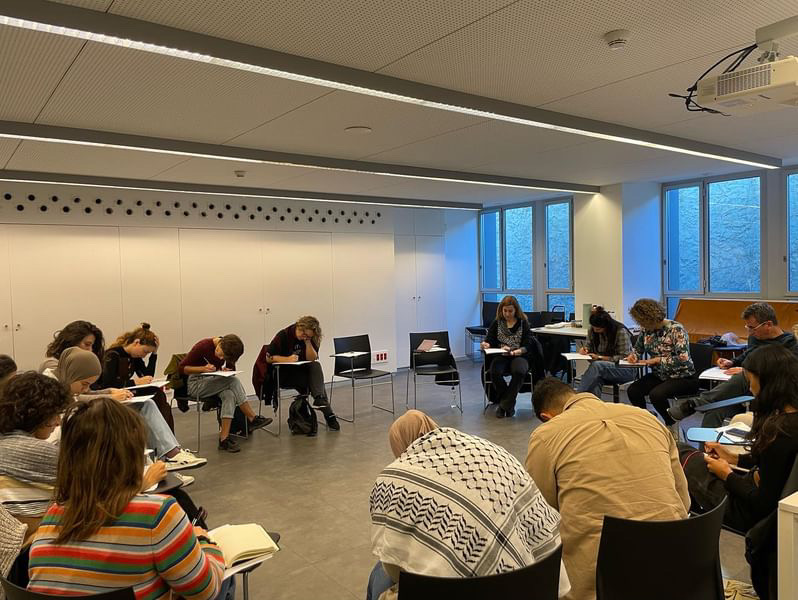
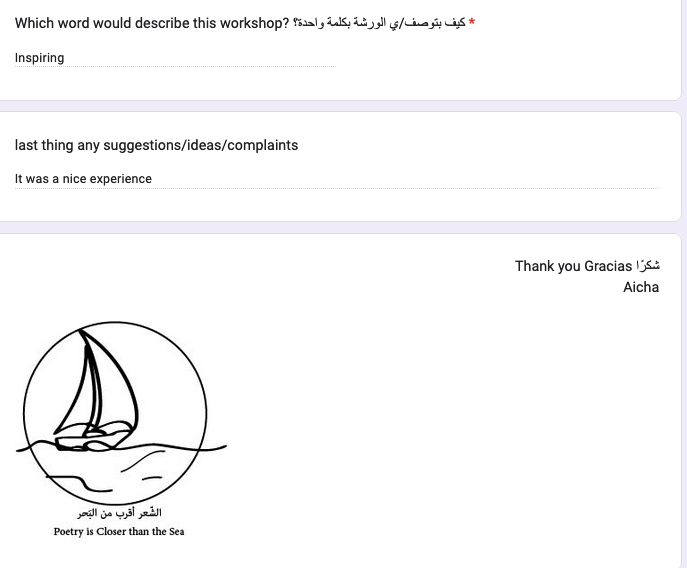
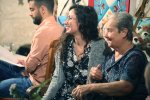
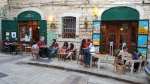
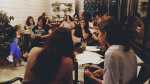
We met at Veinal space in Barcelona on a sunny, fresh Saturday morning at 11am. We were 18 persons in total, and we sat around in a circle, in an attempt to provide protection and intimacy for the participants to share and read freely and safely. After presenting Kudwa (and I highly recommend you do too- this is their website), I presented myself. My voice was shaking when I spoke about why we’re doing this- we’re witnessing a genocide and we feel a whole range of emotions that need to be processed personally, but also, and most important, collectively. After a round of introduction to get to know each other, I realized we have a quite diverse group: young and old, European and Arabs, amateur writers and others who rarely tried to write. Somehow these differences were less important, as we were all brought together for the sole reason that we feel we need to write down our experience and our emotions; that we all care about what is happening. I have to confess that I was a bit nervous about how to create a safe space that allows people’s participation and is not hindered by political correctness or identity roles. This problem manifested itself in terms of language: which language should we speak? Spanish, Arabic or English? and what about Catalan? Somehow, this was less of an issue really, as we spoke freely mixing all of the mentioned languages. According to the evaluation form we sent to the particiapnt, all of them were happy with how we used different language flexibly and smoothly.

Back to the course of the workshop, we did an introductory exercise to warm up. After 8 minutes of continuous writing, some chose to share with us what they wrote (which was really beautiful). Later, we did two more writing exercises, giving the chance to share after each one. By now, it was 12:30 and we had to take a break. Razan, the founder of Kudwa, generously provided us with tea, coffee and arab sweets (her family was visiting from Syria and brought Syrian date sweets). Over coffee and tea, we talked and got some rest before we went back to anotehr short exercise. Lastly, we read and dicussed 3 poems: first was how to write a poem in a time of war by Native American poet Joy Harjo, second was مساء صغير على قرية مهملة by Palestinian poet Mahmoud Darwish, and the third and last poem was Explico algunas cosas by Chilean poet Pablo Neruda. The discussion was very rich. I learned more and I got different perspectives about the poem. What do the shadows represent in Darwish’s poem? what about the images in Harjo’s piece? And Neruda, talking about the Spanish Civil War, hit a chord that resonates with many of the particiapnts who were born and raised here. In addition, these poems asked us very difficult questions: what do you do in the time of war? how do you write poetry during these difficult times? and what role does the poem, or the poet, play during the time of genocide? and can the written word change anything?

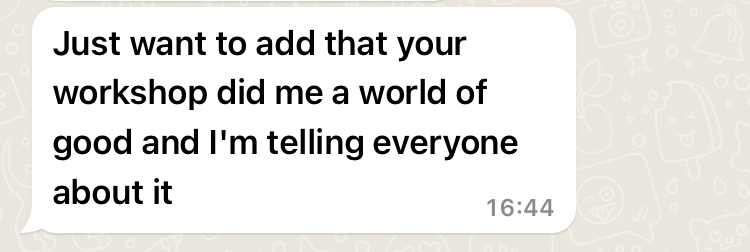
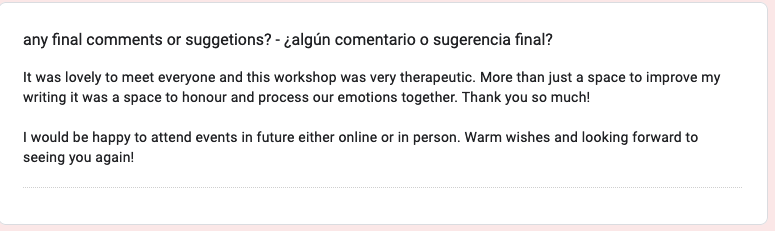
Here are some photos of the workshop and screen shots of particiapnts’ reactions to the workshop 🙂

Writing exercise
focused.

The CREATIVE WRITING SPACE IN RAMALLAH

The driver of the yellow mini van(service as we call it, which refers to yellow mini vans that are used as means of public transpotation in the west bank. There’s no schedule: once the service is full, it takes off) pointed towards a hole in the apartheid wall and told us that we should take this shortcut to make it to the checkpoint faster. He grinned gingerly and departed away from Qalandia’s usual traffic jams. We slipped through the shaft separating two slabs of concrete, as we’ve been indicated (check photo below), then walked straight to the checkpoint. Lit by flourescent lights, the endless metal corridors were grim and morbid. I felt anger, not only because of such humiliation, but also because the audacity of this state to hang a sign at the entrance of this illegal, inhumane military checkpoint saying: “this checkpoint was made for you, keep it clean” something along these lines.

crossing into Qalandia’s military checkpoint

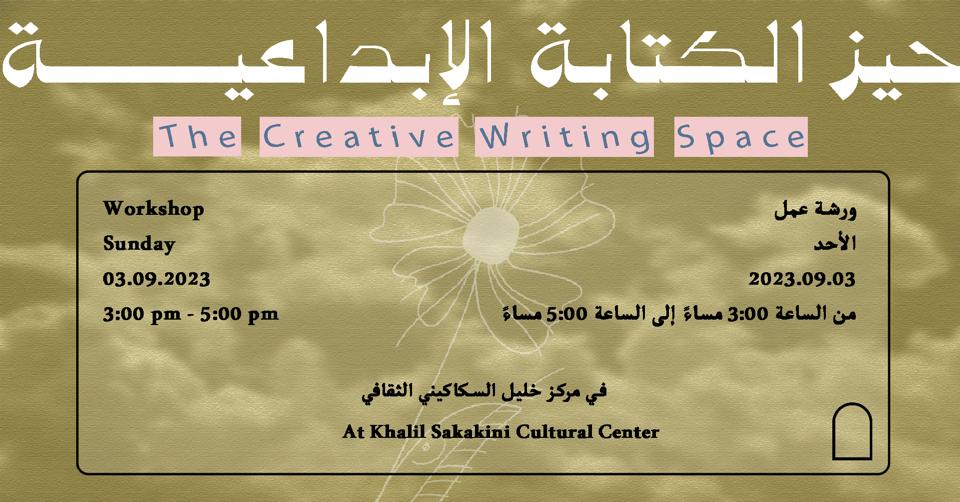
Just couple of hours ago and not that far from this checkpoint, I was sitting with amazing young writers at Khalil-Al-Sakakini cultural center reading Neruda’s Ode to his Socks. It was part of a Creative Writing Workshop that I held, as part of the project Poetry is Closer than the Sea, where participants arrive with their own text written in English and we read it together and give feedback. The juxtaposition of where i was and where I am made me question the authenticity and the ability of poetry to make a change. Just now, and for three hours, we were sitting in the lovely stone balcony of this beautiful cultural center, where Mahmoud Darwish used to smoke his cigarettes and a place called after one of the brightest, most visionary Palestinian thinker Khalil Al Sakakini. We sat there, safe and joyful and read poems and short stories. And now here I am, crossing a checkpoint and feeling the anger boil inside my guts. Can poetry make a difference in the context of brutal colonial violence, manifested, among many things, in this ugly structure of apartheid wall and checkpoint?

Khalil Sakakini Cultural Center source

To answer this question honestly, I want to tell you what we’ve done in this workshop and then reflect on it. We started by a short round of introduction, telling our name, talking a bit about our relationship with writin, and at the end sharing a book or two that we are reading at the moment. After that, we had one writing exercise as a warm up then we plunged into reading texts submitted by the participants then giving our opinion about it as well as recommendations to try. We had a short break, where we got the staff to open the office of Mahmoud Darwish. This, for me, was a special moment. To roam through Darwish’s writing office and to check his photos and books, was to feel his presence. And quoting Darwish himself the trace of the butterfly cannot be seen fades/the effect of the butterfly never fades.

After the break, we reconvened again around the white table, and indulged on sweet figs picked from the front yard of the center and brought us by the director of the center. We continued editing, did more writing exercises and ended the workshop by taking the following photo.

For me, this workshop gave me hope. And hope is an invaluable commodity, especially when you are part of a colonized people. Hope is the fuel to keep us going forward and not succumb to the relentless blows of occupation.

This workshop made me feel rewarded. One participant was in a mental block for the past few months, and as he told me at the end of this workshop: when is the next one? I feel so motivated to write and I feel that I know what I want to write now… Another participant sent me this following message:

In addition, I felt that the space that we’ve created in that balcony on the 3rd of September provided us with the clearance to articulate our experiences in this very harsh reality that our blad lives at the moment. Colonialism was absent in its physical manifestations, but was present in its mental and emotional effect. This space provided us with the ability to take a step back and write down our feelings: our frustration, our anger, our fear, our hope, our joy. A very close friend of mine told me:

I still think about the practicality of poetry, and its place as well as effect in society. I can say that the brief 3 hour workshop gave me a glimpse of what our society b

New submission by Ihab Azar: musicality celebrated

An Ode to Live Music

The lights are shut, the doors are closed

The instruments ready, pieces composed

They wait for the doors to reopen

Yet limitations are imposed

People couldn’t leave their house

Angry, agitated, and roused

They had to protect what’s dear

To remain safe; keep expenses mere

They yearned for freedom, desired to thrive

For outdoors they pined and for meetings strived

The players answered the call

They danced; moved; tried to prevent the fall

Writing poetry and performing plays

Paintings, sculptures, vases of clay

All was set for a big return

A ray of hope to diminish the stern

The time has come to open the gates

A culture to form, to reincarnate

In vibrant theatres and lush pages

To revive traditions for the ages

But in the audotorium, a void

All the scripts no one employed

No one read or eagered in the seats

Not a face in the hall or the streets

After another call no one came

No one witnessed the burning flame

On their way out, they noticed a stir

A blend of noises, chaotic and blurred

The people gathered for an evasion

Events disguised as joyous occasions

Pompous dresses and tedious suits

Consumption in excess; the chatter brute

The people are out, perhaps they are free

Yet when the players come, they flee

After months in isolation

They returned to degredation

Even after quarantine

And that was before the pandemic…

Ihab Azar finds that music, rhyme, and meter are the core elements that make poetry what it is and does his best to follow them. He owns a BA, MA, and a teaching certificate in English and currently teaches English courses at the Western Galilee College in Acre

ANNOUNCEMENT: WRITING WORKSHOP IN NAZARETH

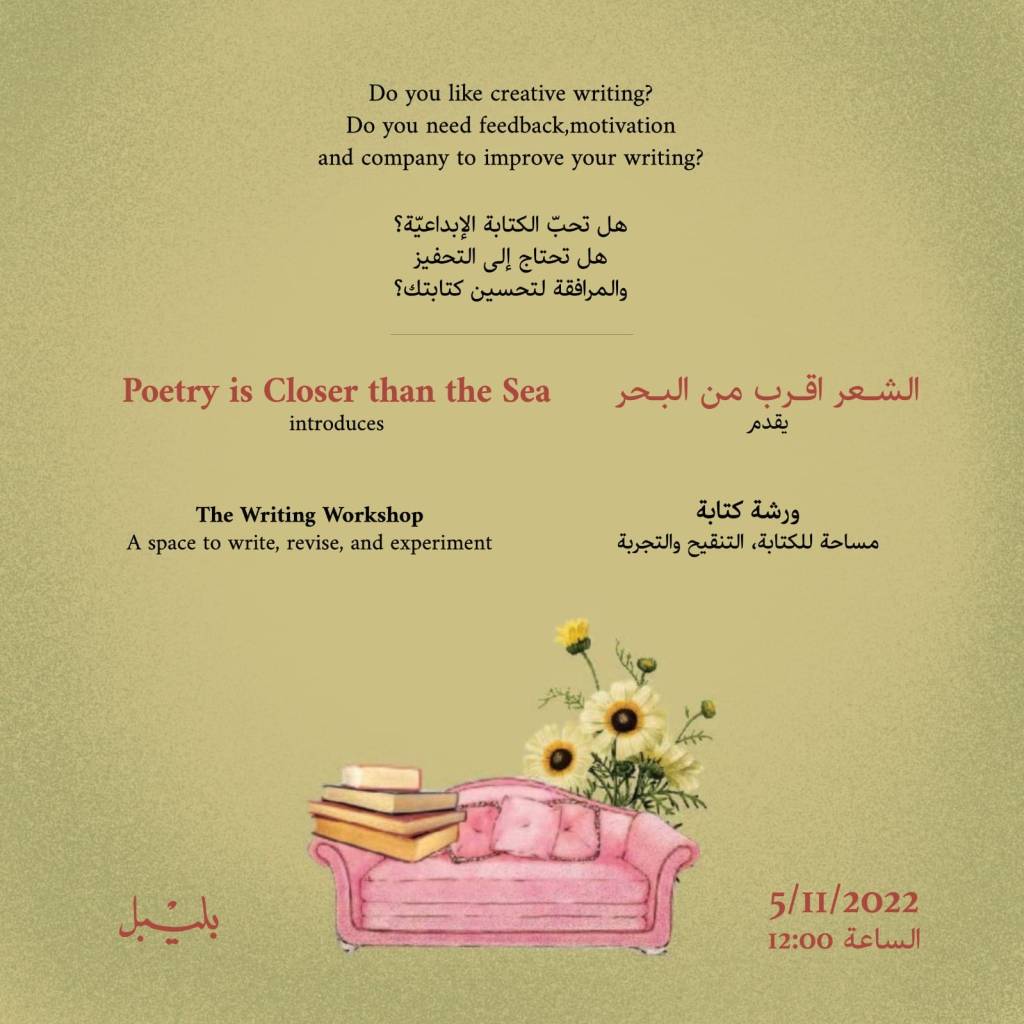
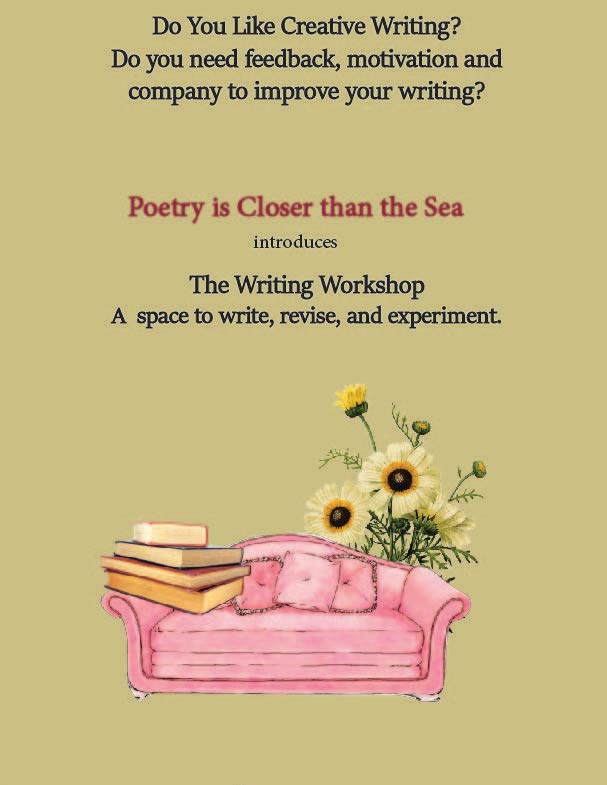
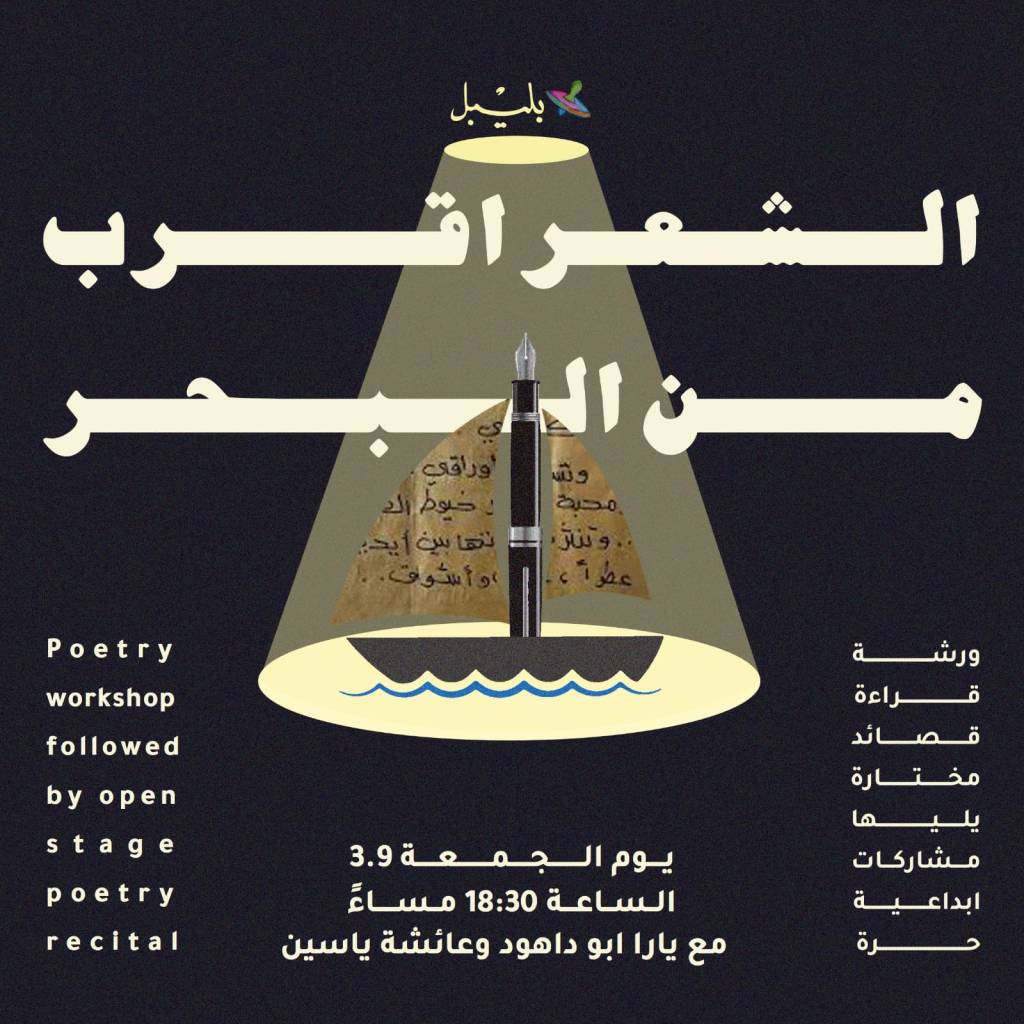
Join us this Saturday in our second writing workshop for this season! It will take place in my favorite place on earth- Nazareth’s old city market. We are hosted by Blebel, a youth-run club in the heart of the market. Here are the details in the poster:

The Theme of this workshop is SEASONAL.

It’s Autumn here in Palestine and it’s a transition state of many kinds. Though I usually focus on spatial themes, I decided to dedicate this workshop to a temporal element of SEASONS. I’m super excited, especially as I prepare a gift for the participants ❤

The form to register: https://docs.google.com/forms/d/1PEzPWvLTthX3jrTYDVb2-oK4LFXZJ9nTl7MUgkSr0Jg/edit#responses

First Submission: Hallisa by Hadeel M

During our first session in the Writing Space, we wrote a lot. I asked everyone to send me their pieces if they would like them to get published here.

I’m sharing Hadeel M’s poem. Hadeel is an English literature student, and she chose this specific major out of passion for both literature and the English language. She loves to read and write and she aspires to become a writer one day.

Hallisa**

 Saaed S. and Fatima arrived to Haifa that afternoon

He in his old black car

and she, in her new blue car

She parked in as he did, 

right behind his car.

Fatima greeted the soldier as he came to her car

Shaloom Fatima, he said,

they’re friends.

He served in the Army, 

with her. 

They served in the army, 

together.

Fatima glimpsed, then, Saaed S. glances

at the soldier, 

She saw the judgment in his eyes, 

he looked long at her and the soldier, 

standing next to her car.

Saaed S. had lost a child

The soldier had taken away

Saaed’s child.

He’s Fatima’s friend, the soldier.

Saaed left his car and took the ladder next to Fatima’s apartment

to his old house.

Fatima said goodbye to her friend and also took the ladder to her apartment.

Saaed knocked, and she did too.

Shalom, Fatima’s roommate said as she opened the door for her,

and greeted her with hugs and kisses.

shalom? said the lady living in Saaed’s home,

as she looked up and down

the stranger standing at her doorstep 

requesting entry 

شو حكت هاي؟ (what did she say?) 

said Saaed.

The lady is confused 

and so is Saaed.

Saaed looked at his own home

which is no longer

his home.

Saaed is unable to enter his home 

מי אתה, אדוני?  בבקשה תעזוב לפני שאתקשר למשטרה

(who are you, man? Please leave before I call the police!)

Fatima took a final glance at Saaed,

as he took a final glance at his home,

he was short and very old

he looked like Fatima’s father a bit,

he could’ve been Fatima’s father,

he could’ve been someone’s father.

יאללה היכנסי (come on in), 

her roommate urged her.

And she did, 

as she saw Saaed, right before she closed her apartment’s door, leave.

And Fatima went to her room, 

and Saaed to his old black car.

and she watched Saaed S. leave, as she stayed. 

But the look she saw in his eyes, 

him standing outside his house, 

being denied entry,

his final look at his house as he stood beside his car,

never left her. 

Fatima sees Saaed S. everywhere now.

She sees him every time her roommate welcomes her home, 

and everytime her neighbor

(the one who lives in Saaed’s home) 

invite her over to her house,

Saaed’s house.

She sees Saaed in the old Arab man who took the bus with her,

and told her all about his children. 

She sees Saaed.

Context: 

Fatima and Saaed S. don’t know each other. She guessed who he was judging by the interaction he had with her neighbour and because she is familiar with people coming to their old homes after the Nakba.

The speaker in the poem is an omniscient third party. He knows the events of both the life of Fatima and Saaed S. When Saaed was displaced, his child was killed by the IDF in the midst of the shooting. The character of Saaed is inspired by Ghassan Kanafani’s Saaed S. from Return To Haifa, except the few changes I made as to the fate of his child and the circumstances of his return to Haifa. 

The poem discusses both the feelings of Palestinians after the 48′ war, specifically those who were displaced and those who stayed and chose to engage in the new Israeli society. Saaed S. was displaced, and Fatima is now engaged in the society to the extent where she has Jewish friends, lives with Jewish people, and serves in the Army. The poms want to criticize those actions of Fatima by the character of Saaed and by highlighting the differences between them. Fatima lives comfortably in Haifa, while Saaed comes to visit, for example, despite it being the city of both of them. 

Saaed’s character also plays the role of an awakening to Fatima, as upon seeing him, she couldn’t stop thinking about him. Fatima now sees him everywhere, as he represents all the Palestinians who lost their homes and children, implying her thinking of other Palestinians whom she never thought of, due to the comfort of her circumstances and the luxury offered to her as a resident under the occupation.

The WRITING SPACE || حيز الكتابة

As we sat in the backyard of Fattoush Gallery in downtown Haifa, a yellow butterfly blessed us with its graceful presence. I am not a superstitiuos person but yellow butterflies symbolize love and magic for me (if you’ve read One Hundred Years of Solitude by Gabriel García Marquéz you will understand why). Indeed, our Writing Space was magical and filled with love for something we all care about: writing. Writing is this action when our words express our emotions; when they unravel unconscious processes and impressions; and when we explore an uncharted, rich place of imagination and creation.

We met this Saturday morning (3rd of Sep) in Haifa’s eclectic Fattoush Gallery and Bar. We got to know each other (there were 11 of us) by doing a round of names and naming a book that we like or we’re currently reading. After ordering our coffee, we started with the first writing exercise “stream of consciousness” that consists of writing without stopping nor thinking for 7 minutes. The first words of this prompt was “be prepared….”. My mind was so hard to restrain and i wrote gingerly without taking my pen off the paper. After the 7 minutes were over, I asked the participants how were they doing and I got the following replies: refreshing, encouraging, I feel warmed up. And this is exactly what I was aiming for.

The second exercise was really fun: each person was handed a piece of paper and was asked to write 5 things: a place, a color, a machine/tool, a feeling, a flavor. After writing our words, we folded the paper and were asked to pass it to the person on our left. After that, each one was asked to write a piece (poetry or prose) using the words written on that piece of paper. We had 10 minutes to do this challenging prompt, but it was really worth it! The results were amazing and people shared some great pieces (I will be sharing some of what people wrote later).

The third and last prompt was inspired from my thesis paper and my whole obsession with the question of space and poetry- which is exactly the essence of this poetry project (Poetry is Closer than the Sea). I read them a quote by Henri Lefebvre saying:

“the live, practical experience does not let itself be exhausted through theoretical analysis. There always a surplus, a remainder of inexpressable and unanalysable but most valuable residue that can be expressed only through artistic means” (Sturart 49)

Later, they were asked to reflect on the space of Haifa by recalling a specific place and a specific action or event taking place there. Following this, they were asked to imagine/ reflect/ analyse/ pereive the place differently: how could it have been? how was it? how’s this place lived? what’s more than material conditions of the place? This was a bit of a hard prompt because it wasn’t super clear as it allowed more interpretation and freedom (which can be both a good thing and a bad thing).

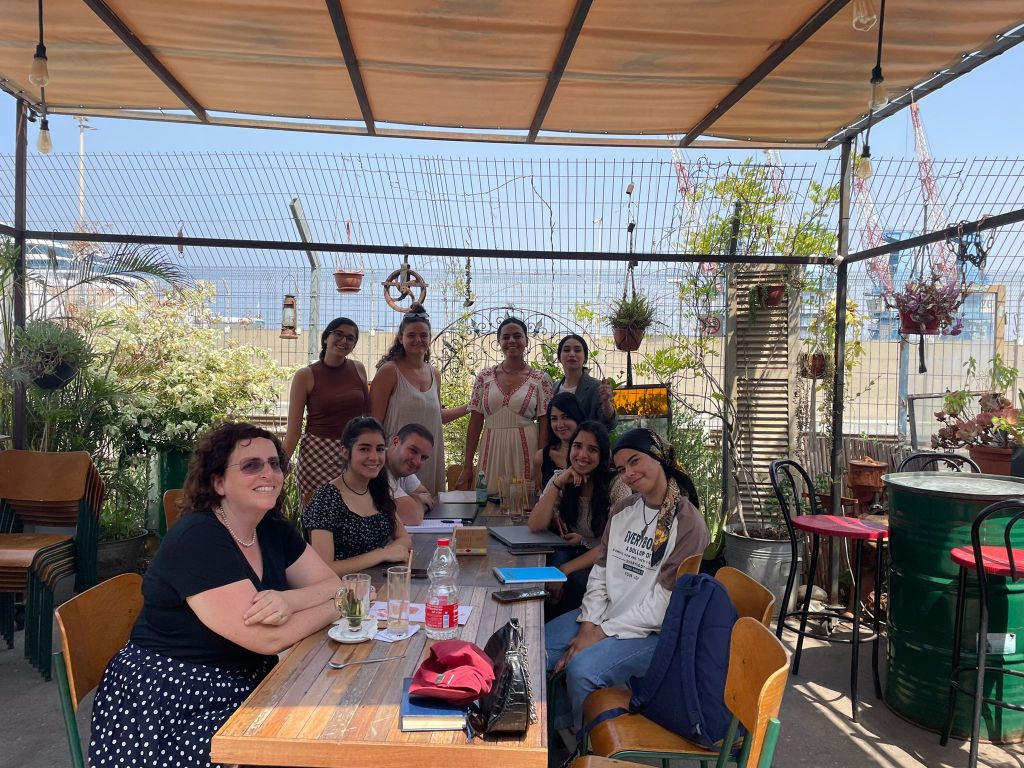
Wrapping up, we ended with taking a beautiful picture (although not all participants appear in the photo because some people left before taking this photo). After that, we lingered in the cafe and shared some writings and poems.

From left to right: Yosefa, Nicole, Ihab, Ola, Olivia, Aicha, Tamar, Noor, Aseel, and Hadeel.

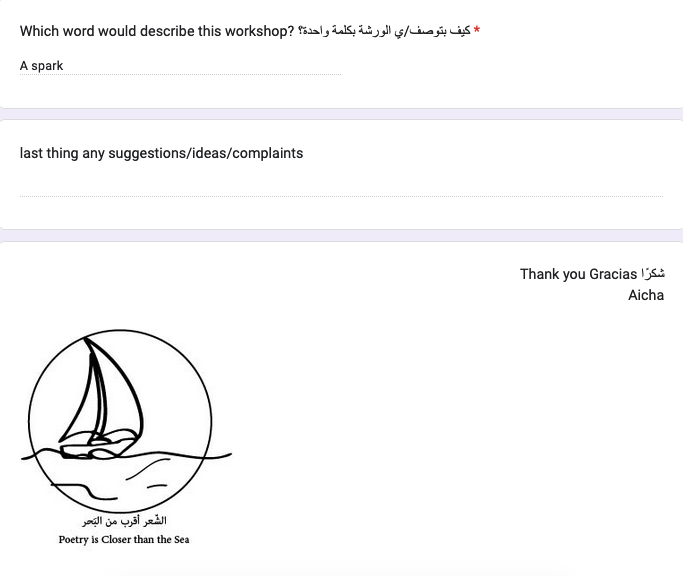
As soon as I got home, I sent them an email with the evaluation form along with another writing prompt. The writing prompt is to read this ghazal and to try to imitate it. I’m sharing some of the replies from the evaluation form:

Reading these responses just makes me so happy and makes these initiatives more exciting and rewarding. I’m hoping to have future events and to develop the concept of The Writing Place.

THE WRITING WORKSHOP IN HAIFA   ورشة كتابة في حيفا

English, then عربي.

Hi everyone,

I hope you’re doing well. Here’s the official invitation for The Writing Workshop taking place on the upcoming Saturday- the 3rd of September, 2022

. We will meet at 11:00 in Fattoush Gallery (in the port area), grab coffee and start the workshop at 11:15! Please be there in time.

It will be chill, fun and productive! We will write together- so bring a pen and your writing notebook!

This workshop is free, and is part of a bigger project called Poetry is Closer than the Sea. Check out the blog here  🙂

please fill this google form if you’re coming for sure! and feel free to invite your friends who are interested 🙂

writing workshop (not poetry).jpg

مرحبا اصحابي كيفكو،

كيف وعدتكو رح نعمل ورشة كتابة, ورح تكون يوم السبت 3/9/2022 في جاليري فتوش (منطقة المينا)

. منصل عالساعة 11 منطلب قهوتنا, ومنبلش الورشة الساعة 11:15. كتير مهم نوصل عالوقت :] جيبوا معكو دفتر الكتابة مع قلم! رح تكون ورشة خفيفة لطيفة بس كمان مثمرة.

هاي الورشة هي جزء من مشروع “الشعر أقرب من البحر” – بتقدروا تشوفوا مدونة المشروع هون.

يا ريت تعبوا استمارة جوجل اذا عالاكيد جايين, وبتقدروا تعزموا اصحابكوا كمان اللي بحبوا يكتبوا 🙂

salamat سلامات

Aicha عايشة

Poetry Night for Women only in Nazareth

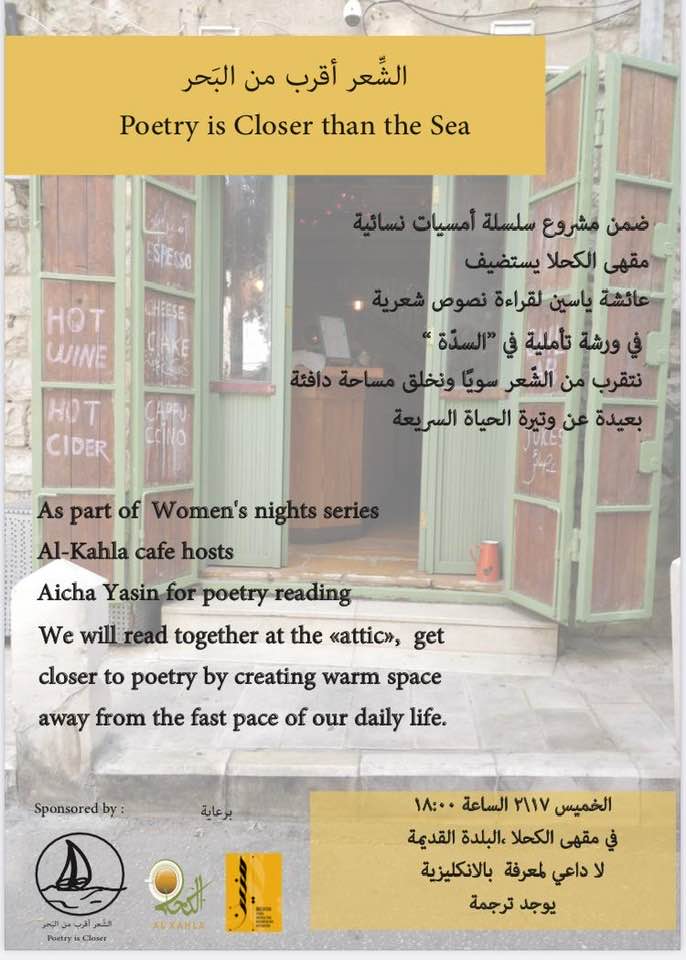
Kahla cafe is a small cafe near Al-Rida restaurant near the Basilica of Annunciation in Nazareth. Kahla means “she with kohl-eyes” (kohl meaning eyeliner in Arabic), which refers to the horse that used to live in that same historic house in which the cafe stands. The owner, Rida Zidani, lost his money and property in gambling, but his horse-kahla- wouldn’t leave the building. The story says that she died out of grief and stubborness not to leave her house. The owner, Razan Zoabi, decided to revive Kahla’s name by founding this cute small cafe. This is not the first time that Razan succeeds in reviving Nazareth history in the old market, for she has founded an architecture cafe located in the heart of the Old Market that aims to preserve the spatial heritage of the city, especially since it’s threatened by the relentless Israeli authorities and blind modernization patterns of the owners of the houses there.

I was invited to have a poety workshop with women only in Kahla cafe. I agreed happily, because Nazareth is my favorite city in Palestine and I know Razan personally.

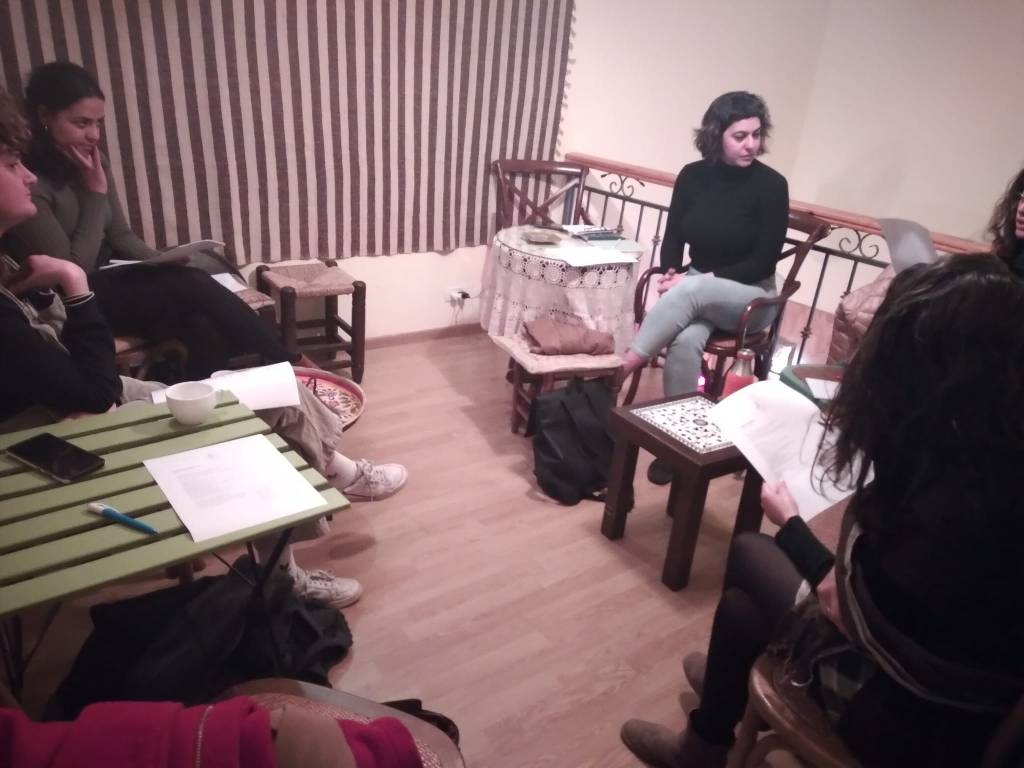
We held the workshop in the attic of the cafe, made tea and served home-made cookies made out of poppy seeds. The poem that I chose for this evening is Naomi Shihab Nye’s “So Much Happiness”. The reasons behind choosing this poem are many: first, I wanted to a poem written by a woman. Second, I wanted an accessible- not too easy but not too complicated, especially since the participants may not be familiar with English poetry. Third, I wanted a deep poem- a poem that makes readers connect and open up, and also that uses literary poetic tools that we can discuss and employ during our session.

It is difficult to know what to do with so much happiness.
With sadness there is something to rub against,
a wound to tend with lotion and cloth.
When the world falls in around you, you have pieces to pick up,
something to hold in your hands, like ticket stubs or change.

But happiness floats.
It doesn’t need you to hold it down.
It doesn’t need anything.
Happiness lands on the roof of the next house, singing,
and disappears when it wants to.
You are happy either way.
Even the fact that you once lived in a peaceful tree house
and now live over a quarry of noise and dust
cannot make you unhappy.
Everything has a life of its own,
it too could wake up filled with possibilities
of coffee cake and ripe peaches,
and love even the floor which needs to be swept,
the soiled linens and scratched
records

Since there is no place large enough
to contain so much happiness,
you shrug, you raise your hands, and it flows out of you
into everything you touch. You are not responsible.

You take no credit, as the night sky takes no credit
for the moon, but continues to hold it, and share it,
and in that way, be known.

What I loved about this session is that we were able to construct a warm, safe space in the attic, where many participant were encouraged to open up and share their experiences. In contrast to the cold weather outisde, we created an atmosphere together and we pondered together with true honsty and transparency the following questions:

what do we do when we are happy?

what do we do when we are sad?

are we responsible for our own happiness or sadness? Should we react to a feeling or just let it pass us and live the experience?

In addition, I brought a small gift with me for the women who showed up. I brought them a poem in Spanish by the Colombian poet Monique Facuseh (her grandparents are Palestinian immigrants) along with the Arabic translation done by Ahmad Mohsen, a very talented friend of mine. I’m also sharing Monique’s poem along with the English translation and the Arabic translation


A mis abuelos, inmigrantes palestinos.
Cierra los ojos.
Tal vez por un momento la vida no importe,
los años no importen
ni sus raras consecuencias.

Mírate dentro.
Tal vez por un instante goces del placer de quedarte y no tengas que caminar entre la multitud
para no escuchar tus pasos.

Cierra los ojos
y guarda todo el azul
o el verde oscuro de la noche. Afuera hay niebla
y lobos al acecho.

Escucha la lluvia.
Pocas cosas bellas quedan.
El mundo será peor
y tal vez por un momento
la puerta sea el callejón
donde encontrar la patria. Recuerda que eres rama milenaria.

No olvides echarte al hombro tus mandamientos.
Pueda que alcances el paraíso.

Cierra los ojos.
—179—
Nacimos perdiendo algo. Delgados hilos nos suspenden. Tras de ti
la cruz de tus pensamientos como bandada de pájaros.

Mírate dentro.
Tal vez por un instante escuches la voz divina
y te entregues a su largo exilio.

(Del poemario Partitura Cotidiana)
translated by Aicha Yassin
To my grandparents, Palestinian immigrants

Close your eyes.
Maybe for a moment life does not matter
Years don’t matter
Nor their odd consequences matter.
 
Look inside.
Maybe for an instant you will feel the pleasure of staying
And not having to walk among the crowds
So you will not hear your footsteps.
 
Close your eyes
And memorize all the night’s blue
And its dark green.
Outside, there’s a cloud
And anticipating wolves.
 
Listen to the rain.
Few beautiful things are left.
The world will get worse,
And perhaps for a moment
The gate will be the alley
Where you will find your homeland.
Remember that you are a millennial branch.
 
Don’t forget carry your commandments upon your shoulder.
Perhaps you will reach paradise.
 
Close your eyes.
 
We are born losing something.
Fine strings suspend us.
Behind you, the cross of your thoughts like a flock of birds.
 
Look inside.
Perhaps for an instant you will hear the divine voice
And you will give away yourself to a long exile.
ترجمة أحمد محسن
إلى أجدادي،                     
المهاجرين الفلسطينييّن


أغلق عينيك
ربّما للحظةٍ
لا تهمّ الحياة،
لا تهمّ السنوات،
ولا تبعاتها الغريبة.
انظر داخلك،
ربّما تنعم لوهلة
بلذّة أن تبقى
ولا يكون عليك السير
بين الحشود
لكيلا تسمع وقع خطواتك.
أغلق عينيك
واحفظ كلّ زرقة الليل
أو خضرته.
في الخارج ضباب
وذئابٌ متربّصة.
أنصت إلى المطر
بقي القليل من الأشياء الجميلة
سيصبح العالم أسوأ
وربّما يكون الباب للحظةٍ
ذلك الدرب
الّذي تجد فيه الوطن.
تذكّر أنّك فرعٌ عمره آلاف السنين.
لا تنسَ أن تحمل فوق ظهرك
وصاياك.
يمكن أن تصل إلى الفردوس.
أغلق عينيك.
لقد وُلِدْنا خاسرين شيئًا.
تُمْسِك بنا خيوطٌ رفيعة.
من ورائك
صليب أفكارك
كسرب طيور.
انظر داخلك.
ربّما للحظةٍ
تسمع الصوت الإلهيّ
وتسلّم نفسك لمنفاه الطويل

Poetry Workshop in Nazareth [English]

We gathered in Blebel Youth Center in the old market of Nazareth. It’s the 3rd of September, 2021 and the weather is hot bordering cool, especially as the sun sets down and only the cold breeze saved in between the limestone blocks that shape the old alleys of Nazareth’s Market. People gather in Sibat al Sheikh, not only for our event tonight, but also for another event in Baladna- another youth center next to Blebel. As we say in Arabic, الخير خيرين- the more the better! I am really happy to see many people- young and old, from Nazareth and from towns around it gathering for cultural events in the heart of the city.

Yara and I. I’m reading Ted Hughes’s poem.

We arrived a bit early to organize the venue, to prepare for the tea and set up the chairs. Though we said we will start at 18:30- we ended up starting at 19. We introduced the project and then ourselves. Then we embarked on the poetic trip that Yara took us by analyzing a poem called “funeral” by a local Syrian-Palestinian poet called Yaser Khinjar from Mijdal Shams. The poem started out to be a bit dark, as its title implies, but then we succeeded in gleaning some hope out of it- in the rebirth that death entails.

At 8, we took a 15-min break to sip tea and eat home-made Mabroushe. It was perfect. I met new persons interested in literature and science and everything in between. I met musicians. I met a friend’s dad and another’s brother! It was beyond me.

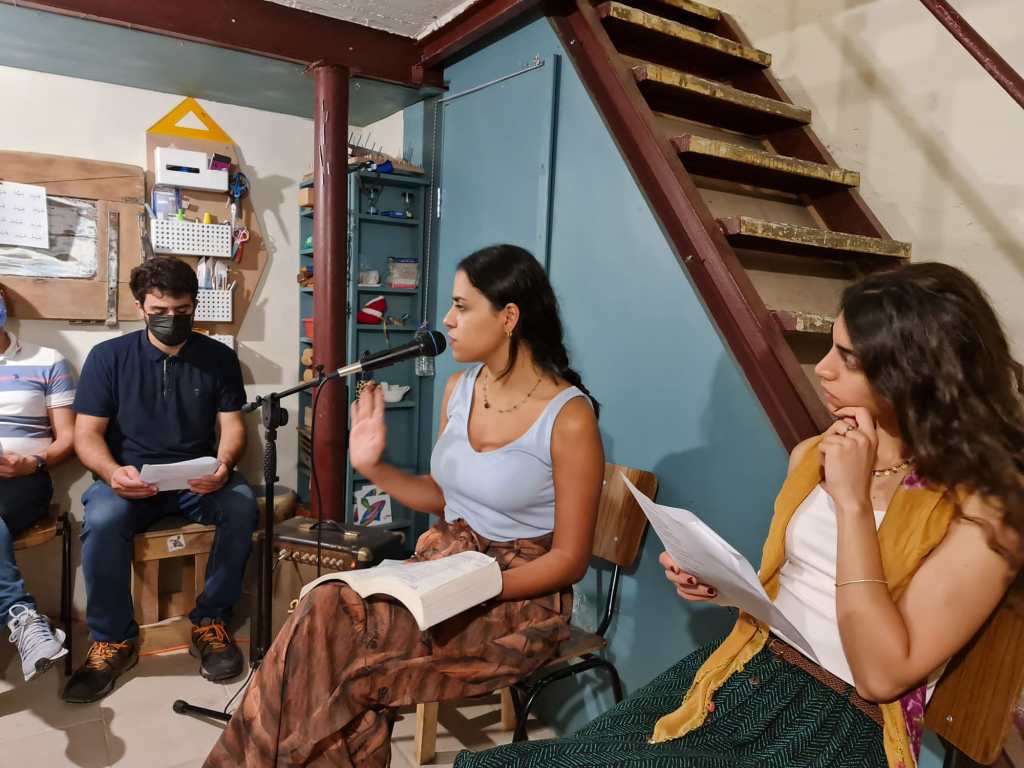
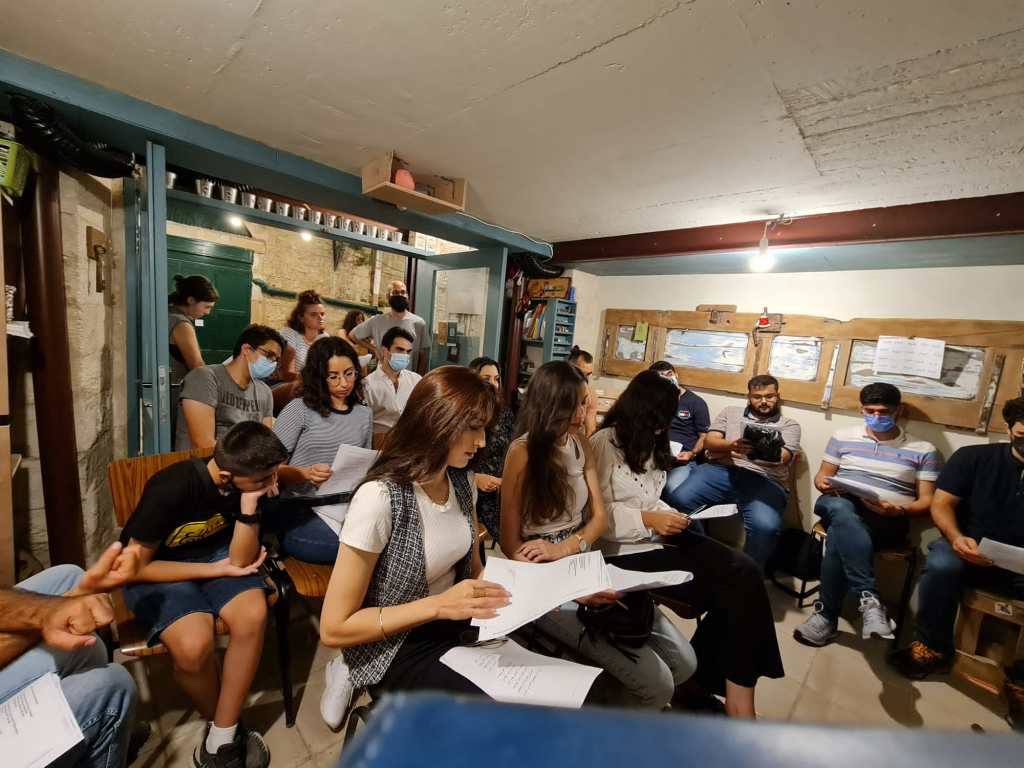
participants in Blebel Youth Center, Nazareth.

After that, we entered the small youth center, keeping the doors wide open so people can still stand outside and follow with the workshop. I presented a dear poem to my heart called “daffodils” by the English poet Ted Hughes. The poem is not easy, and it has many difficult words – especially for a non-native English speakers. I provided the meaning of the words I deemed particularly hard in the hand-out paper. The interactions of the audience was amazing- everyone participated in the discussion that I facilitated in order to understand the poem. At the end, I provided a context of who is the poet and who is his deceased wife- Sylvia Plath.

After we finished analyzing the second poem, we opened the stage for everyone to share their writing or piece of art. This part was amazing and my all-time favorite: the first participant named Abed Al Hamid recited a pre-islamic poem that he memorized by heart. His performance was amazing and he enchanted us all- I felt like I travelled in time to visit Majnoon Layla and listen to his yearnings and longings. Then we had another particpant reciting an traditional-rhymed Arabic poem that he wrote- believe me it’s not easy to write according to the Arabic meteric seas of poetry and he did that splendidly. His name was Ahmad. The third participant read a poem that she is personally fond of, which was when I look at clouds by William Wordsworth. The fourth participant was Yara and she read and performed two amazing poems. Then it was my turn and I shared two very dear to my heart poems. At the end, Shaden’s brother, who is 11-years old came up and recited a poem he wrote about autumn.

The whole experience was breath-taking. Although I had my initial reluctance about having this workshop because I am going through a period of stress and pressure. But this workshop has given me more than it had required efforts from me. Seriously- seeing old and new friends discussing poetry- reclaimging the space of the old market of Nazareth was so powerful and it provided me for so much energy for many projects and initiatives to come. I still have my artistic and philosophical questions about the role of space in this workshop- what did our presence there reading poetry affect the materialistic space and how did the space of the market influence our own poetry reading phenomenon. These questions will accompany for the next few years and I will struggle with them perhaps, the struggle is good – it means progress. So I’m taking my time and not jumping to conclusions. So sorry I can’t provide you with any solid thesis at this stage- I’m only observing, meticulously observing and experiencing and writing.

Thank you.

Blog at WordPress.com.

Up ↑

Design a site like this with WordPress.com
Get started