The Watermelon Writing Workshop in Barcelona

Shortly after the terror commenced on the 7th of October, I reached out to a friend of mine in Barcelona about how helpless I feel. She felt helpless, too. Attending protests and screaming outloud hasn’t stopped the terrorist state in its genocidal undertaking to kill children and innocent Palest!nians. Out of helplessness and hopelessness, the idea of having a watermelon wirting workshop was born. The watermelon, if you’re not familiar with it, came to symbolize Palestinian Sumod(steadfastness) and existence/resistence. In other words, we (Kudwa Association and myself) decided to have a workshop to write down our heavy emotions and process the pain and agony of witnessing the genocide one Meditterranean away. As I was preparing the material for the workshop, I thought, surely by then (November 18th) there would be a permanent ceasfire. Oh how wrong was I, and still am, as I’m writing these words (the 20th of December) the unslaughter has been ongoing.
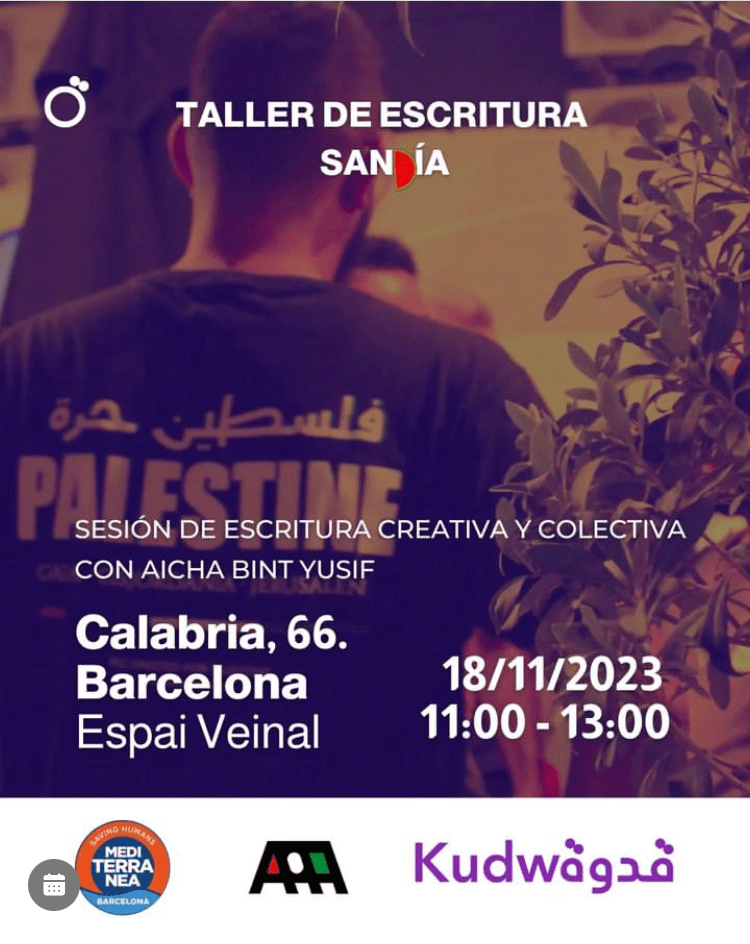
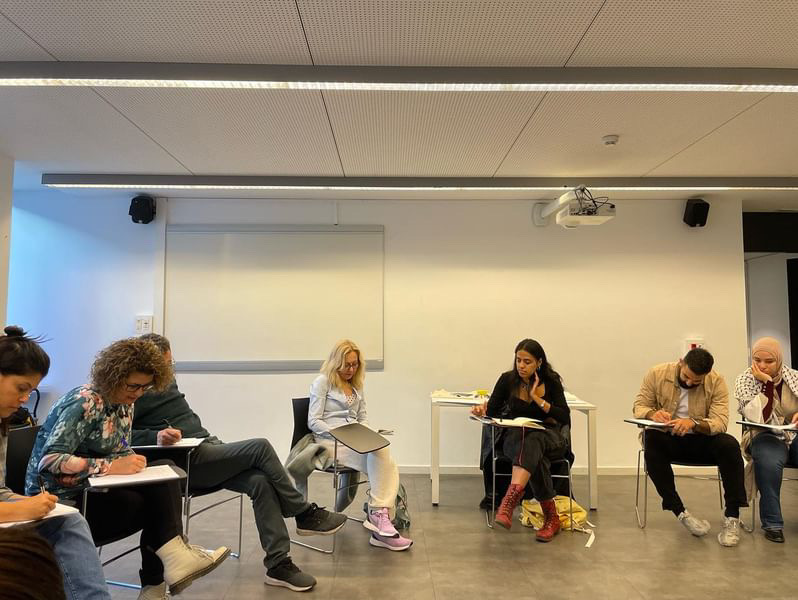
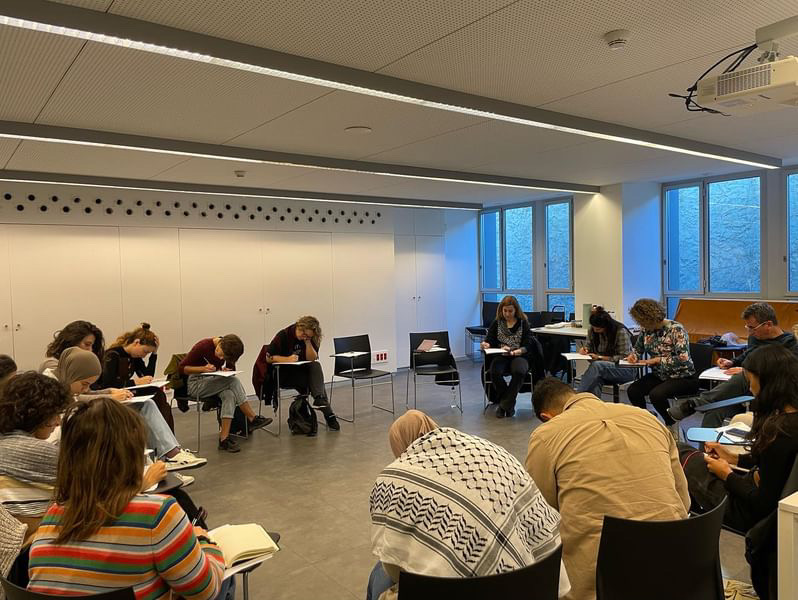
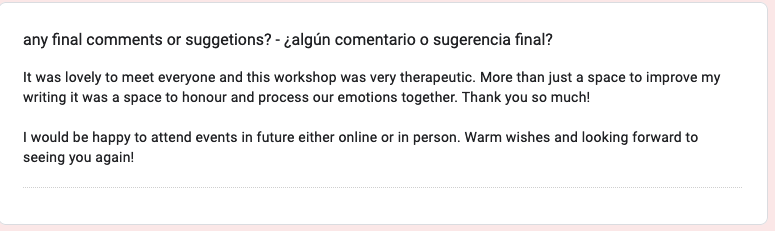
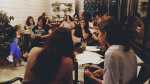
We met at Veinal space in Barcelona on a sunny, fresh Saturday morning at 11am. We were 18 persons in total, and we sat around in a circle, in an attempt to provide protection and intimacy for the participants to share and read freely and safely. After presenting Kudwa (and I highly recommend you do too- this is their website), I presented myself. My voice was shaking when I spoke about why we’re doing this- we’re witnessing a genocide and we feel a whole range of emotions that need to be processed personally, but also, and most important, collectively. After a round of introduction to get to know each other, I realized we have a quite diverse group: young and old, European and Arabs, amateur writers and others who rarely tried to write. Somehow these differences were less important, as we were all brought together for the sole reason that we feel we need to write down our experience and our emotions; that we all care about what is happening. I have to confess that I was a bit nervous about how to create a safe space that allows people’s participation and is not hindered by political correctness or identity roles. This problem manifested itself in terms of language: which language should we speak? Spanish, Arabic or English? and what about Catalan? Somehow, this was less of an issue really, as we spoke freely mixing all of the mentioned languages. According to the evaluation form we sent to the particiapnt, all of them were happy with how we used different language flexibly and smoothly.

Back to the course of the workshop, we did an introductory exercise to warm up. After 8 minutes of continuous writing, some chose to share with us what they wrote (which was really beautiful). Later, we did two more writing exercises, giving the chance to share after each one. By now, it was 12:30 and we had to take a break. Razan, the founder of Kudwa, generously provided us with tea, coffee and arab sweets (her family was visiting from Syria and brought Syrian date sweets). Over coffee and tea, we talked and got some rest before we went back to anotehr short exercise. Lastly, we read and dicussed 3 poems: first was how to write a poem in a time of war by Native American poet Joy Harjo, second was مساء صغير على قرية مهملة by Palestinian poet Mahmoud Darwish, and the third and last poem was Explico algunas cosas by Chilean poet Pablo Neruda. The discussion was very rich. I learned more and I got different perspectives about the poem. What do the shadows represent in Darwish’s poem? what about the images in Harjo’s piece? And Neruda, talking about the Spanish Civil War, hit a chord that resonates with many of the particiapnts who were born and raised here. In addition, these poems asked us very difficult questions: what do you do in the time of war? how do you write poetry during these difficult times? and what role does the poem, or the poet, play during the time of genocide? and can the written word change anything?

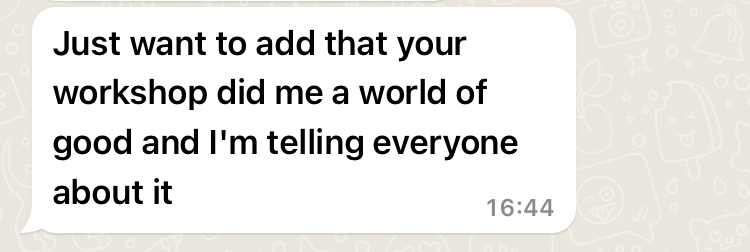
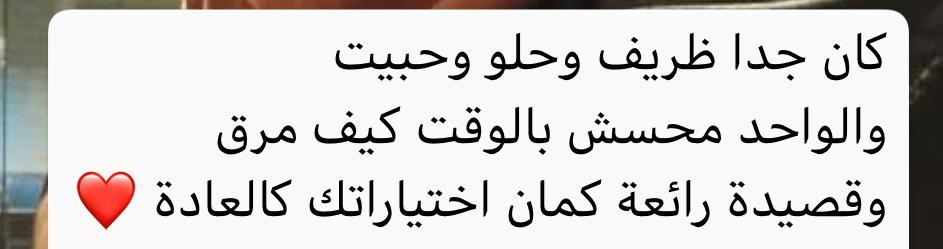
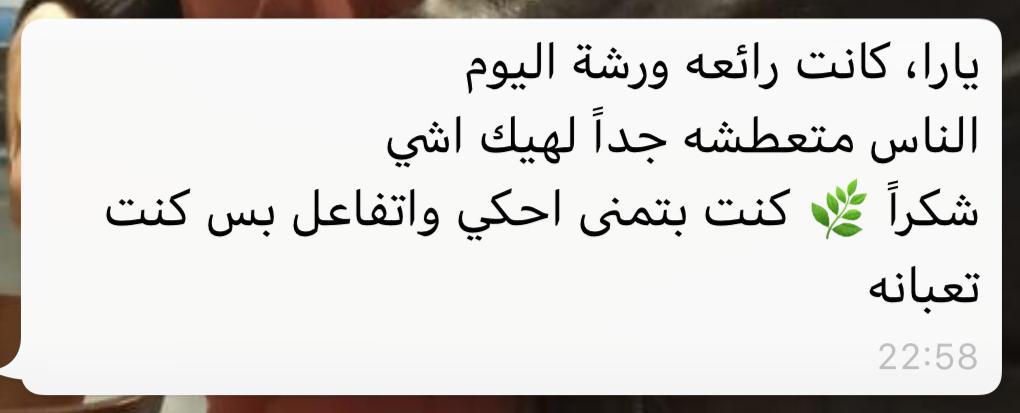
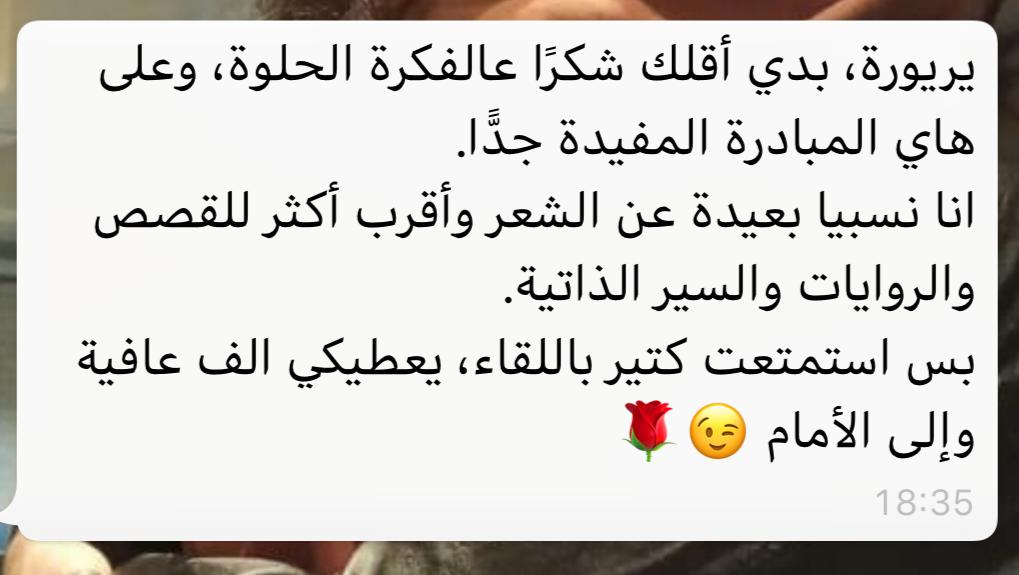
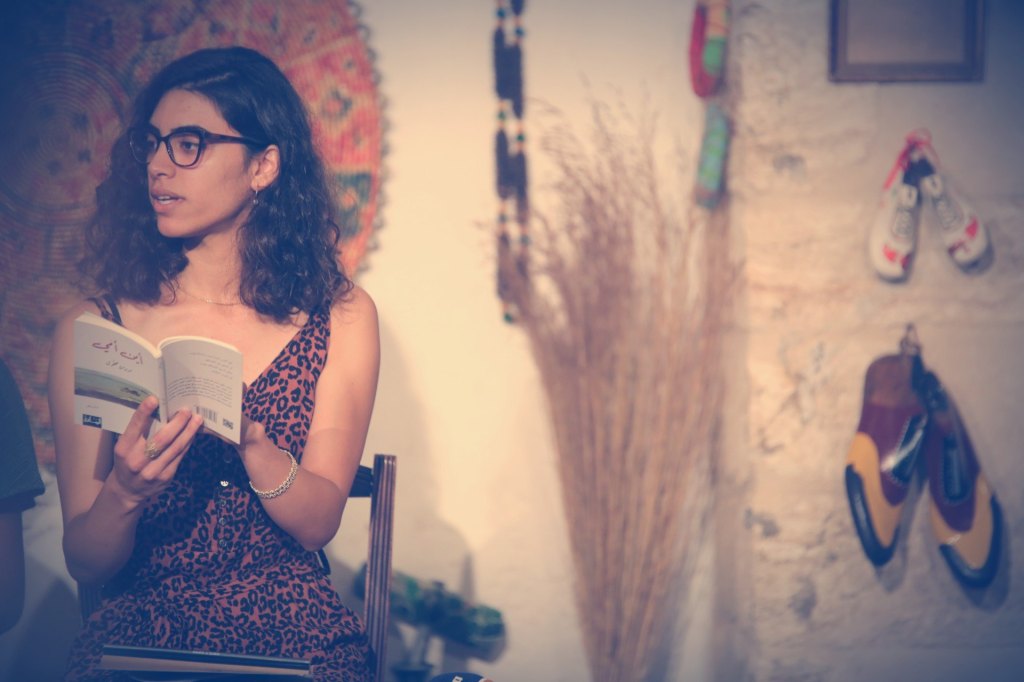
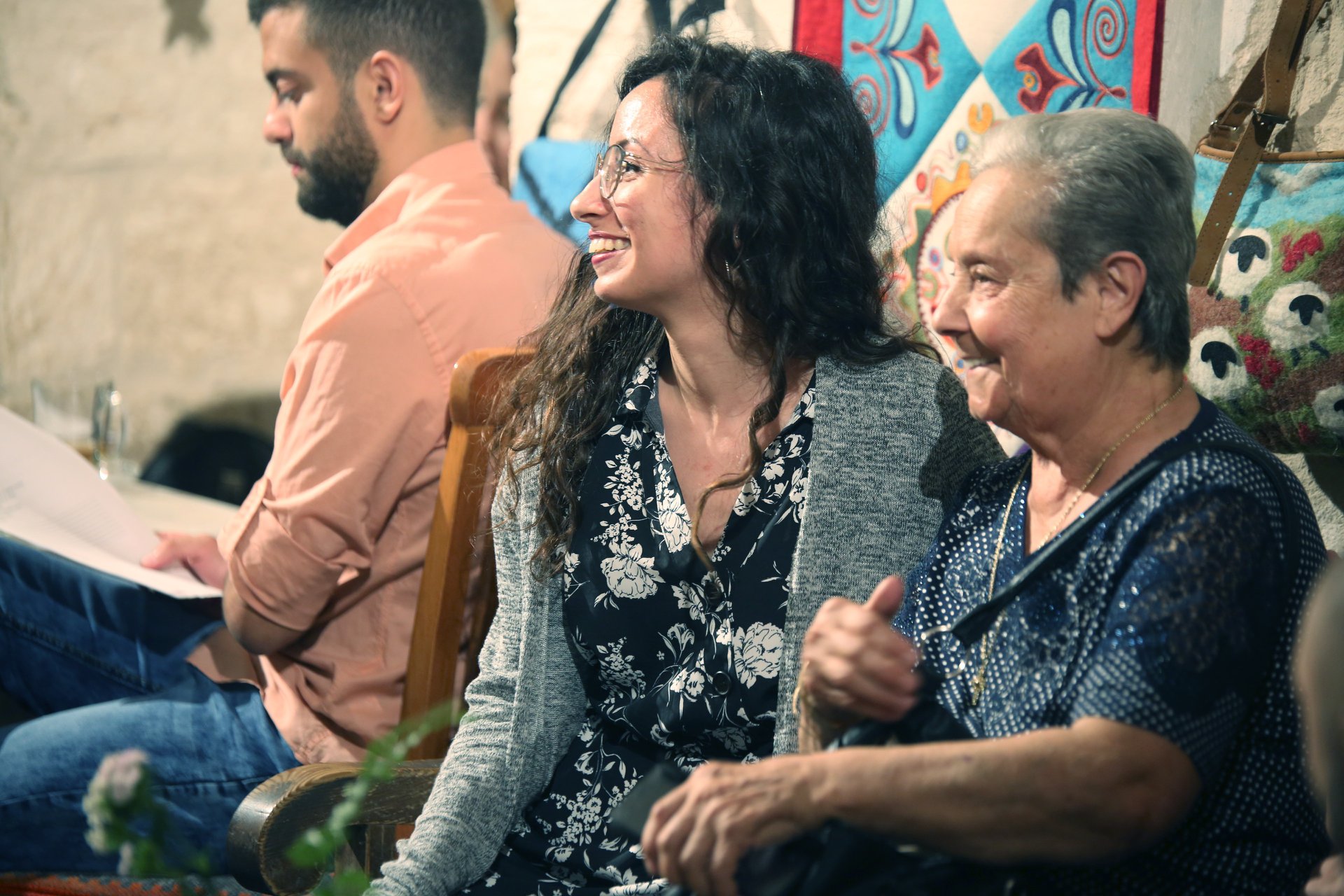
Here are some photos of the workshop and screen shots of particiapnts’ reactions to the workshop 🙂

Writing exercise
focused.

WE READ PABLO NERUDA’s POETRY TOGETHER [despite the corona lockdown]

Since all of us are locked inside a defined physical space, the need to contemplate the ordinary becomes a necessity. 

One would expect that a quarantine would provide a space to get some rest, and liberate ourselves from the burden of productivity. Yet, looking at the social media outlets proves such conjecture wrong. We are constantly reminded to make “the most” of our times. At some point, this is so stressful. Bearing that mind, we tried to offer something different: a space to relax together, meditate and read poetry. In addition, the purpose of this workshop is as its name, Poetry is Closer than the Sea, suggests is to bring poetry closer to us in our daily lives; our daily confined lives.

I chose this poem specifically to fit this theme of finding beauty in the simple and the mundane. “Ode to a Large Tuna in the Market”, written by Pablo Neruda, is a simple, medium-sized poem. It talks about, yes about a large tuna that the speaker finds in the market while he’s getting his groceries. Halted by being and existence, he looks at this dead animal, and tries to revive it by writing an ode to celebrate its royal, heroic life, after all the tuna fish “survived the depth of the unknown, dark sea”.

First we read the poem in its original language, Spanish, and then we read it in English. Every time again and again, I am amazed by the people’s ability to draw interpretations and analyses out of poems. Their own being engages with the written word to create a story and a vision. One person mentioned the crisis of the fish, other talked about capitalism and communism, and last one talked about death and universal humanity.

But honestly, more than anything my intention was to grab people’s attention and to get them to pay attention more; to try to see beauty in everyday life. Something that validates the world, nourishes our longing for the sublime and creates something that didn’t exist before.

Here are some of the insights and reviews of the persons who attended the workshop:

“Discussing poetry in a warm and open environment, with people I know and people I don’t, was wonderful.During the quarantine, I have enjoyed reading, writing, watching films, etc. but yesterday’s event reminded me that culture is a fundamentally collective action. It is most valuable and enjoyable when it is shared.”

– Jonathan Shamir

WE READ TAHA MOHAMMED ALI’s POETRY TOGETHER [despite the corona lockdown]

We are all locked up in our homes because of the Corona virus crisis. Despite these difficult times, we choose to keep our “poetic” activism going by having an online poetry workshop last week (10th of April, 2020).

The goal of this workshop, like our previous ones, is to create a safe, free space to discuss and read poetry. With no previous knowledge or expertise, we invited the audience to join us for a two-hour workshop. It was given by Yara Abu Dahood as she presented Taha Mohammed Ali’s poem “Al Bashiq” (sparrowhawk in Arabic).

After a brief introduction, we tried to conjecture what’s the poem about reading its title “Al Bashiq”. And yet Taha succeeded in surprising us by opening the first lines of the poem by addressing sadness:

الباشق
-1-
اذا استطعت يا حزن
يوما
ان اتحرر منك…
فاني ساشعر
حتما,
بغبطة المنتحر…
وهو يتحرر من تبعاتة .!!

The SparrowHawk

-1-

If I could one day

to liberate myself from you

sadness

I will definitely feel

the ecstasy of a suicider

releasing his burdens.

The 11-stanza-long poem is an apostrophe to sadness that reveals the poet’s deep doubts, fears, and longings. The language is fairly simple and he uses lots of enjambment, to make the poem a long rumination pinned down on a paper; a let go of a heavy sigh of bittersweet relief.

It was interesting to see the reactions of the audience, each one offering an interpretation of their own about the source of sadness and its function in the poem or in the poet’s life. Especially since the latter suffered from a violent exile and catastrophe when he was expelled from his hometown of Saffuriya.

The space this workshop created is interesting for many reasons. First, it was done online via ZOOM application and thus lacked the immediate, humane contact. Second, the theme of the poem is unusual-sadness, which prompted people to bring more serious and personal topics. Third, we still felt the tension between different interpretations as some participants wanted to prove that their own reading was the “right” reading. Fourth, many of the people who took part of this workshop never read poetry before and so many were more interested by the content and context of the poem rather than its form. And last, I felt an actual sphere or space manifesting itself to house the different readings.

In my study of poetry and space (email me for the whole thesis I wrote about the relationship between these two fields), I focused on two aspects: how does the poem we read affect the physical space we are in, and how does the physical, social space we are in affect the space of the poem (the space that the poem creates). This workshop things were different, as we weren’t sitting in the same physical space, but each one of us was sitting in the comfort of their homes. And yet we created an online, virtual space to be shared by all of us.

Another space that this workshop creates is free-consumption space.
We are told that we should make the most of our time during this quarantine; we should make our time “productive” by investing it in cooking, watching a movie, working out, planting… all sorts of consumption. Reading a poem and contemplating its meaning demands nothing of that. It is a free space not to consume. Although some people might counter-argue and say that we also consume poetry, and it might be true, but this is not the purpose of the Poetry is Closer than the Sea platform.

Moreover, since we are all locked in our homes with a limited access to other places and spaces, contemplating becomes a necessity. And this is exactly what we aimed to have: a contemplating, pondering and imagining of the world, the poem, the poet and the feeling of sadness.

HERE ARE SOME REVIEWS OF THE PARTICIPANTS:

It was really beautiful and cute- one didn’t feel the time passing!
Yara, the workshop was great today! People are thirsty for poetry!
Thank you!
Thank you for the amazing idea, and useful initiative.
I am usually far from poetry and prefer novels and autobiography, but today was really beautiful! Keep it up!

Stay tuned for our next workshop to discuss a poem online next week!

الأمسية – الشّعر أقربُ من البحر في عرابة البطوف

يارا أبو داهود

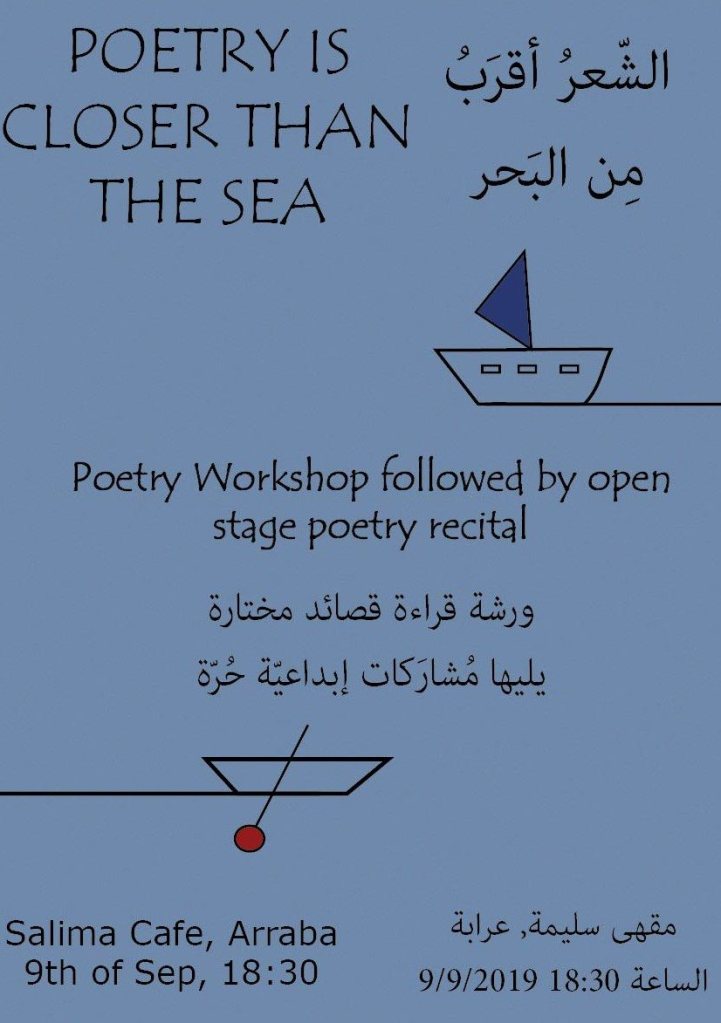
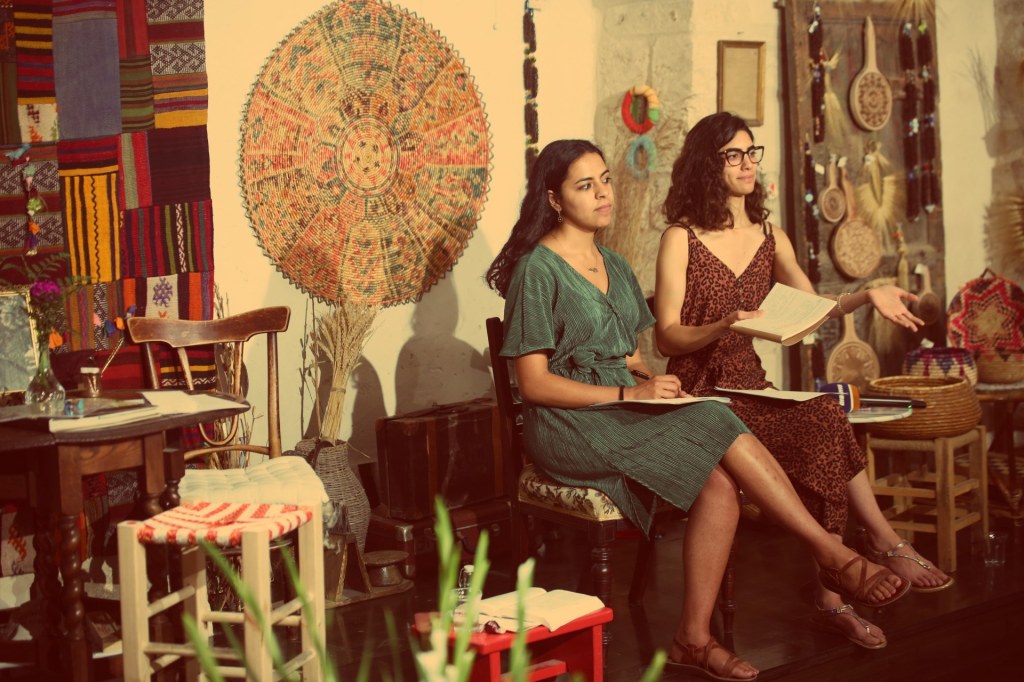
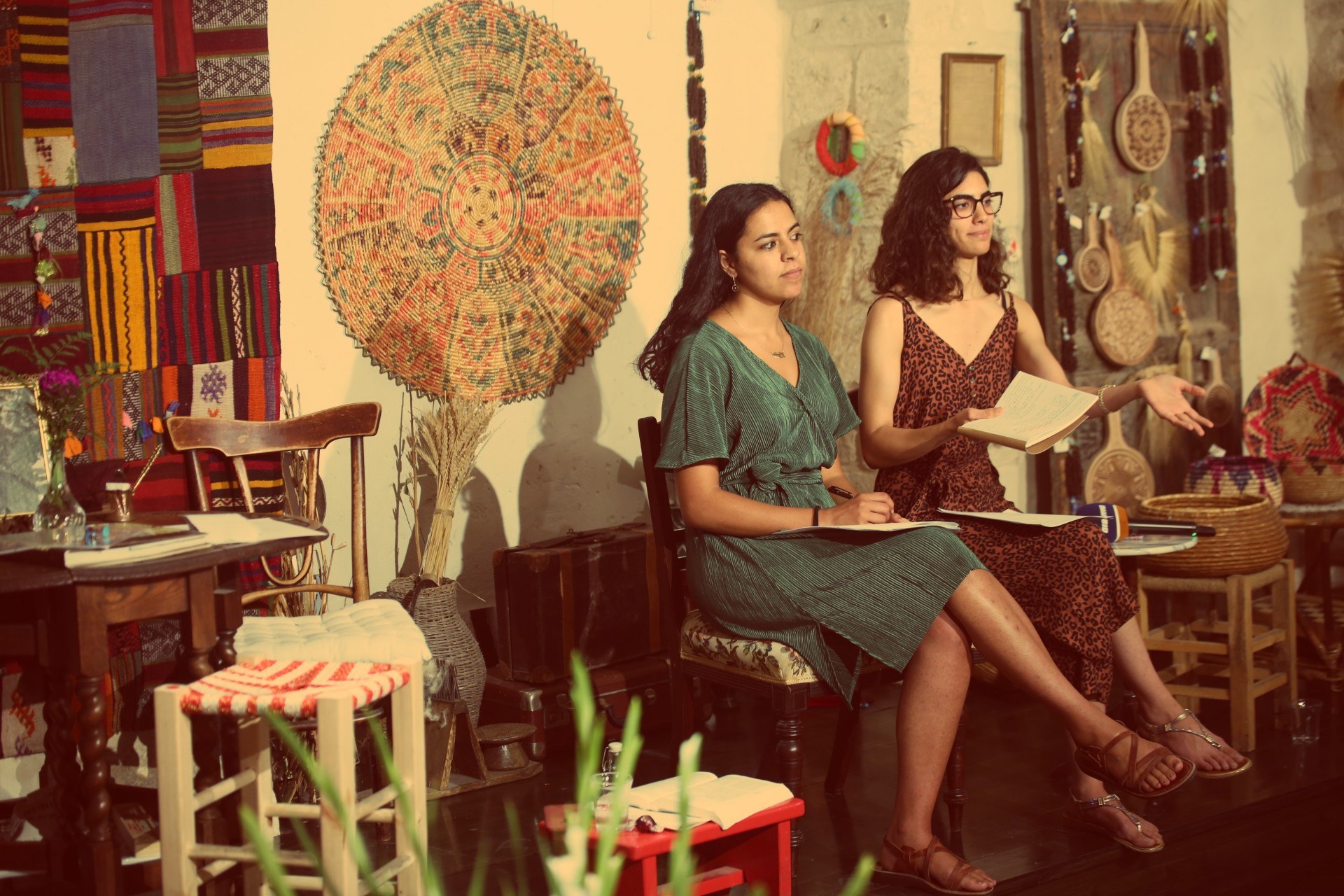
في التاسع من أيلول / 2019، أقمنا عائشة ياسين وأنا أمسيتَنا الشعريّة الثانية، في قرية عرّابة البطوف، في مقهى سَليمة. قمنا هذه المرّة بقراءة قصيدة في اللغة العربيّة وأخرى باللغة الإنجليزيّة، وأضفنا العنصر الموسيقيّ بشكلٍ بارز، فكانَ الدّمج متناغمًا مُثريًا للعقلِ والنَّفْس. اخترتُ مقطعًا مختلفًا من قصيدة “لاعب النّرد” للشاعر محمود دروش، بدأتُ بمناقشته مع الحاضرين بعد أن قدّمتُ موجزًا عن الشّعر الحديث بشكل عامّ وعن الشّاعر درويش بشكلٍ خاصّ. أمّا عائشة فقد اختارت قصيدة للشاعر ريتشارد ولبر بعنوان “An Event”، وقدّمَت موجزًا عن الشاعر وعن الخلفيّة الزمنيّة التي كُتبت فيها القصيدة وقامت بعد ذلك بمناقشتها مع الحضور.

كان النّقاشُ فعّالًا ومثريًا ومُجَدِّدًا، استطاعَ الحاضرونَ خلاله أن يعصفوا ذهنَهم بأفكارٍ وليدةِ اللحظة وأن يعبّروا بحريّةٍ عنها. اختلفت أعمارُ الحاضرينَ وتنوّعَت اهتماماتُهم ومجالاتُ دراساتهم وأعمالهم، فمنهم مَن درس العلوم السياسيّة ومنهم من درس علم الحاسوب أو فنون الرّقص أو الآداب أو علم الاجتماع، وقد تمكّنّا من إثارة الإبداع الفكريّ لدى جميعهم. قصَدنا في نقاشنا أن نلفتَ النظر إلى الأساليب البلاغيّة التي قد لا ينتبه إليها القارئ أو لا يعي الغرض منها، كأسلوبِ تّكرار الألفاظ، كتكرار لفظة الحظّ في قصيدة محمود درويش للتشديد على الحظّ كمفهوم مستقلّ وقويّ في مسيرة تكوُّن الفرد، وكأسلوب الاستفهام في بداية المقطع الثاني من قصيدة ريتشارد ولبر: “”What is an individual thing?.

أمّا عن سَيْر الأمسية، فقد ابتدأ بالموسيقى وانتهى بقراءات شعريّة حرّة؛ افتتحَ مروان بلّان (كفركنّا) الأمسيةَ بالعزف على البيانو، ثمّ ناقشنا المقطع المختار من قصيدة محمود درويش “لاعب النّرد”، وقبل البدء بمناقشة القصيدة الثانية، عزف مروان مرّة أخرى كما عزفَت مروة ياسين (عرّابة) معزوفةً ألّفتها بنفسِها، ثمّ باشرت عائشة بإلقاء قصيدة “An Event” وقيادة نقاش غنيّ، عدنا بعدَه إلى فِقرة موسيقيّة أخيرة، شاركتنا خلالها رندة سليمان (سخنين) بغناء أغنية تتحدّث عن العنف ضدّ النّساء، قامت بكتابتها وتلحينها بنفسها.

ردود الفعل التي وصلتنا بعد الأمسية كانت إيجابيّة، فجميع الحاضرون عبّروا عن سعادتهم بالمشاركة، وعن ارتياحهم في النقاش، ووصفَ بعضُهم الأمسيةَ بأنّها تجربة فكريّة وروحيّة مُثرية – وهذا ما كنا نسعى، عائشة وأنا، إلى تحقيقه.

A Second Poetry Night

by Aicha Yassin

This time we experimented with the workshops sessions:

First we discussed one poem in Arabic, then we had a musical intermission that was followed by the discussion of the English poem. The Arabic poem that Yara presented is an excerpt from Mahmoud Darwish famous soliloquy “The Dice Player”. The discussion was really rich and offered me so many insights and connections to Darwish’s exquisite use of figurative imagery and metaphors. For example, the image of the feather falling on the sand. He used this image to describe the possible failure of a poem, that falls but doesn’t shine, but it merely swings like a feather and hits the sand, leaving no sound, echo or print. Another example of the beautiful descriptive language that the poem employs is when he talks about the inspiration of the poem, he says: I have no role in my life, except that when life taught me its hymns, I lit its lantern and tried to adjust/change its light. Isn’t this such a beautiful imagery? Moreover, my dad  talked about the time that Mahmoud Darwish came to Arrabe and recited a poem in the square of the communist party center. He was 10 years old at that time, but he still remembers very vividly the charismatic, intellectual, young Darwish exciting the crowd. My dad telling this story added to the richness of the experience of reading Darwish. He connected the space of Arrabe with Darwish and his poetry that we were reading at the moment. This story connected us to the place and grounded us as well as our identity as sons and daughters of this land.

Having the music intermission was amazing, Marwan played a piece, then Marwa played a piece that she composed titled “lost and found”. It was a good thing to have a break from too much talking and focus on words, but rather to listen and to enjoy the mellifluous melodies of the piano keys. 

Later, the English poem that I chose is “An Event” by Richard Wilbur. I chose this specific poem for many reasons: first, I think it’s fitting for the theme of the night – meditation. Second, I think it’s a simple poem that offers the readers a chance to read a simple, easy poem to reach a deep state of contemplation and reflection. The poem mainly talks about the speaker’s attempt to describe a flock of birds in the sky. It’s meta-reflective as it tries to capture the movement of the birds, and having failed to do that, the speaker announces at the end that this whole attempt that turned into a poem shows us “how cross-purposes the world is dreamt”. And I think this is such a gorgeous image invoking serenity and peace of heart. The birds have their formations and their purposes, and the poet has his purpose and way of perceiving things, and this poem is an intersection between these two paths. And this what makes poetry great. 

We tried not to tell the people what the poem means, but to give them the basic tools of poetry reading, so they can shape their own idea and path of how a poem should be read. 

We spent three hours lost in the world of poetry. At the end, four people of the audience shared their writings and another person sang a song that she wrote and composed. It was phenomenal. 

I look back at this evening and I am filled with happiness and pride: the evening was successful. The audience was riveted, and had the chance to get lost in a less-stressful world of our reality. A world of rhymes, metaphors, interpretations, space to play and think. It was perfect. What added to the richness of this night are many things: first, the audience was diverse, including old and young, Christian Muslim and secular, persons from different villages and cities in the region. In addition, this is one of the first attempts to create cultural and artistic spaces and platforms outside of the known, famous centres such as the city of Haifa or Jaffa. This is one of the first attempts to bridge the gaps between the “not-cultured” village-dwellers and the intellectual scenes taking place in the cities. I can say for myself that I feel that this attempt reaped fruit: many people showed up and many people have asked for more events and nights like these. In addition, the librarian in our town has started an initiative to start a club for poets and writers in Arrabe. I think our evening has inspired such movement. 

Last, I am grateful for everyone who took part of this and I’m looking forward to future events. 

أُمسيّة شعريّة في النّاصرة

“الشّعرُ أقربُ من البحر” هو مشروع يقوم على توظيف طاقاتنا اللغويّة في المجال الشعريّ، وقد بدأنا ببنائه بعد أن عرضت عائشة عليّ أن نساهم في تقريب الناس من الشّعر، فعملنا على تطوير الفكرة حتّى أصبحت أمسية مستقلّة، تتناول قصائد عربيّة وقصائد إنچليزيّة تحملُ ثيمةَ التأمّل، وترسم سبيلًا نحو تذوّق الشّعر، وتتيح المجال لعصف الذّهن وللمشاركات الإبداعيّة.
أرى بأنّ هٰذه المبادرة، من جهة، قد كانت مساحة للنّقاش وتبادل الآراء، وهو ما نحن بحاجة إليه في عصر التكنولوجيا الذي يمنعنا عن التواصل الفعليّ. ومن جهة أخرى، هي مبادرة تقرّب الحضور من عالم الشّعر، من خلال توضيح بعض طرق قراءته وفهمه.

في أمسيتنا الأولى، والتي أُقيمت في تاريخ ١٢ حزيران ٢٠١٩ في سوق الناصرة / زاوية غادة، قمنا بمناقشة قصيدتين من أدب اللغة العربيّة الحديث، الأولى للشاعر مروان مخول بعنوان “الآن”، والثانية مقطع قصير من قصيدة “لاعب النّرد” للشاعر محمود درويش. كما ناقشنا قصيدتين من عالم اللغة الإنچليزيّة، الأولى بعنوان The Travelling Union للشاعرة نعومي شهاب ناي، والثانية بعنوان The Wasteland للشاعر ت. س. إليوت.
تفاعلَ جميع الحاضرين دون استثناء مع جميع القصائد الأربع، وقد كانت حلقة النقاش مُثرية ومتناغمة، توسّعَ إلى تجارب وتأمّلات شخصيّة، وهو ما أسعدَنا وأثبتَ لنا أنّ الشّعر هو طريق إبداعيّ نحو نقاشٍ إبداعيٍّ، وهو حالة روحيّة كاملة. إضافةً إلى ذٰلك، أتحنا المجال للمشارَكات الإبداعيّة الحرّة، فشاركَنا الحاضرون كتاباتهم الشعرية والنثريّة وموسيقاهم الهادئة.
خلال النقاشات، قام المشاركون بتحليل التّعابير الشعريّة من وجهة نظرهم الخاصّة. وتطرّقنا إلى الأساليب البلاغيّة، كأساليب التّشبيه والاستعارة والجريان المشتركة بين جميع القصائد الأربعة، وإلى المبنى والمفردات – وهي المكوّنات البنائيّة التي يمكن من خلالها فَهم الشّعر بشكلٍ أعمق.
في نهاية النقاشات، استطاع المشتركون ملاحظة الرابط التأمّليّ بين القصائد، فعلى سبيل المثال، مقابل صوت محمود درويش الذي يقول: “والوحيُ حظُّ الوحيدين” يأتي صوت مروان مخول قائلًا: “لو كنت أعرفُ سلفًا أنّ الإبداع / ليس اجتماعيًّا إلى هٰذا الحدّ، لكنتُ / وأدتُ قلمي في المحبرة”.

Poetry in Nazareth Market

Time: 12th of July, 2019. A Friday.

Place: Ghada’s corner in the old market of Nazareth.

Description: walking up the flagstone path from the Basilica of the Annunciation inside the old market at the hour of the evening is breathtaking. Just on my right, a swoop of swallows rise and circle the grey dome overlooking Mount Precipice. A group of nuns descend the stairs towards the city center and I can hear them murmuring in Italian. I enter the market narrow alley, covered with zinc plates. The air is thick here and all of the shops are closed. Usually they close at 3pm. I climb my way up the road slowly, trying to listen to the walls recount the stories of the place- isn’t this the memory of a space? the stories that are told by the cobblestones, the graffiti, the signs and the stone gutters?

I arrived early to Ghada’s corner and I sat to catch my breath and spoke with Ghada about the market news, tourism and the current socio-political situation. The situation is nothing but alarming. I don’t drink coffee as I know it will make me hyper before a big event like today’s. So I refrain when Ghada offers me an Arabic, rich cup of coffee, and I drink water.

It’s a poetry reading workshop along with an open stage for poetry recital. My friend, Yara Abu Dahod, and I have organized this in an attempt to bring poetry closer to the real life, and thus the event’s name “Poetry is Closer than the Sea”. I prepared two poems in English, Yara prepared two in Arabic, and then we would have an open stage for free performance.

The audience arrive on time: familiar faces of friends and loved ones. We all sit on comfortable, traditional Arabic chairs that Ghada had collected over the years. Her shop is like a museum: an old arch connects two old stone rooms built probably 200 years ago. The walls are covered with antiques, trinkets, hand-made cloths and souvenirs. A chisel from Armenia, a long necklace of cloves made to protect people of envy, according to the Druze tradition, embroidered bags and much more. I recommend everyone who has the chance to visit Ghada’s corner and to enjoy a good cup of Arabic coffee.

We start on time which is good. We begin with a welcoming word and a brief overview of what we’re gonna do. We don’t want it to be a class, nor are we lecturers, we just want to enjoy poetry together. So we sit in circle and begin our first poem: “Now” by Marwan Makhoul, a local poet from the village of Mia’lia (I translated the poem here). The theme of the event is meditative poetry: to read poems with a meditative intention. And our job is to provide the people who came with basic tools of poetic reading: metaphor, enjambment, simili, rhyme…

The participation of the audience is great as I got to listen to various interpretations of the same words from different people; some interpretations that haven’t occurred to me though I have read these poems more than once. If anything, it just showed me the power of poetry to have this flexibility and this accessibility to people’s hearts and minds.

Aicha Yassin and Yara Abu Dahood

The next poem we discussed was “The Traveling Onion” by Naomi Shihab Nye. It was funny at first to repeatedly say the word “onion” and talk about it as if it’s this great character. After all it was just an onion, but as we sat there with our meditative hearts and eyes, we got to ponder an onion in a way that we never have: where did an onion come from originally? can we live without onions? what can the onion symbolize? It was very exciting indeed. One interpretation of the whole poem blew our minds: the onion symbolizes Christ. As the poem connects the fact that onion disappear when they’re cooked and receive little credit, with the value of sacrifice for others.

The next poem we discuss is The Dice Player by Mahmoud Darwish. It’s a long, famous poem in which Darwish recounts his autobiography in an epic soliloquy form. We discuss the part that talks about inspiration and writing: the speaker says that he’s not the creator of these rhymes, but he’s rather a messenger between the inspiration and the people. He’s a prophet of words. Many people in the audience offered their ideas about this “artistic urge”, which can be a bliss as much as it can be a curse. Later on five people would come up to the stage to read their pieces, expressing themselves and sharing their ideas with others.

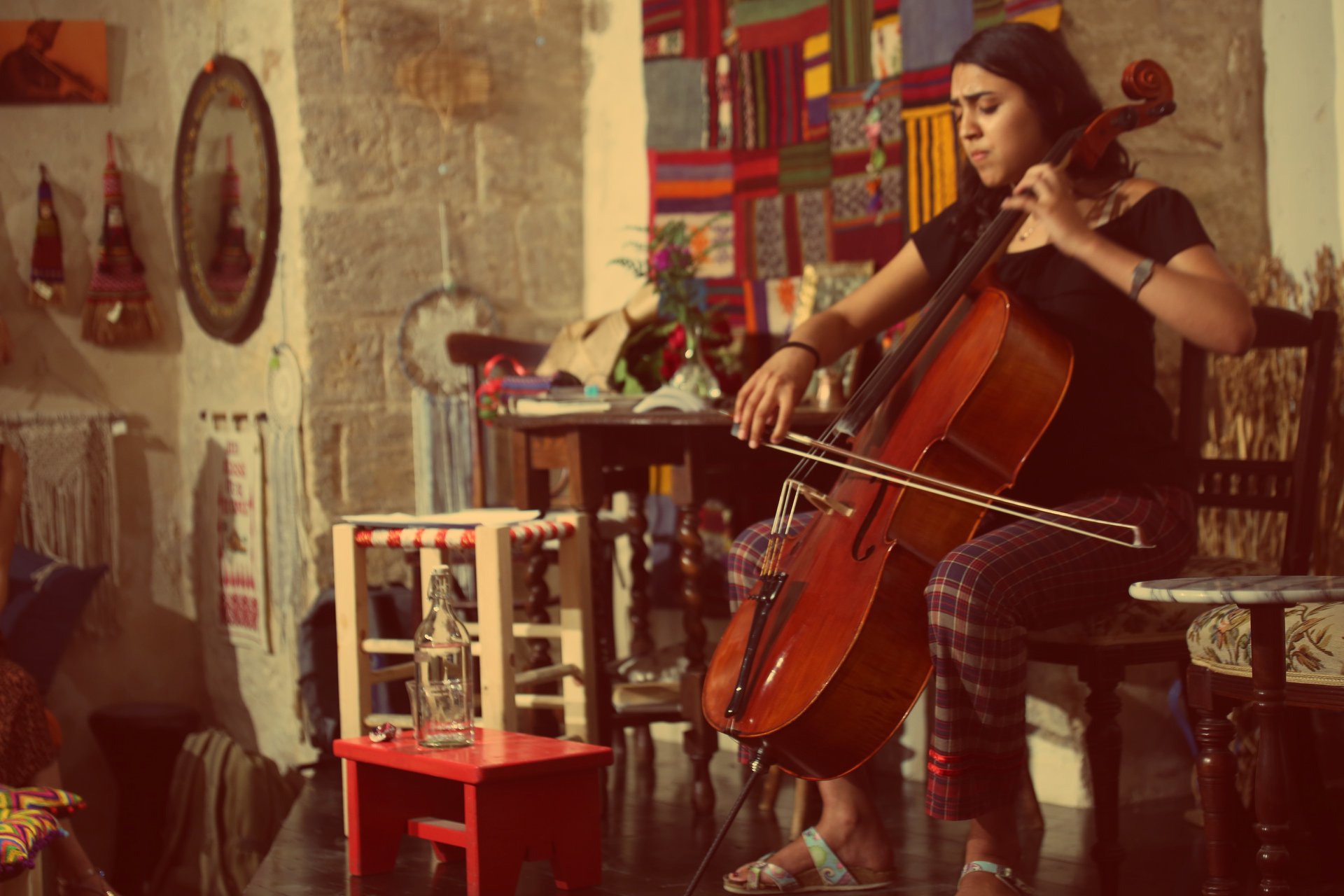
Safa Yassin playing the Cello

The last poem that I presented is an excerpt from The Wasteland by T. S. Eliot. Anyone who is familiar with Western literature or poetry knows that this piece is a landmark in the development of modernist poetry at the beginning of the 20th century. I chose this poem because I wanted to familiarize the audience with this famous poem, and also to hear their readings of this very difficult and dense poem. Honestly, we spent 4 lessons in university just to understand what was Eliot talking about. If anything, it’s a reflection of the confusion, mess and loss of that epoch, especially after the first World War.

Many people told me that such an event won’t make it because people don’t understand English, and they won’t understand the lines of the poems. This is not true. I left Ghada’s corner with tremendous energy for more and hunger for poetry, along with some conclusions and insights:

  • poetry is strong and poignant. It’s a great to bring people together.
  • language is never a barrier. The fact that I am passionate about English language is not a reason not to be involved in my Arab Palestinian community. It’s just another layer of richness.
  • This is the beginning for something bigger: Poetry being closer to people.

Blog at WordPress.com.

Up ↑

Design a site like this with WordPress.com
Get started